
Introduction
Technology continues to influence almost every part of modern life, from the way people communicate and work to how businesses serve customers and develop new products. Digital innovation is no longer limited to large technology companies. Individuals, students, entrepreneurs, and small businesses are also using modern tools to improve productivity, access information, and solve everyday problems. As new developments appear regularly, understanding technological changes has become increasingly important for anyone interested in the digital world.
Artificial intelligence, cloud computing, cybersecurity, automation, and connected devices are among the areas attracting considerable attention in 2026. These developments are changing how information is processed, how organisations make decisions, and how people interact with digital services. Tech Hopes provides a useful subject for exploring these developments, understanding emerging ideas, and discovering how technology can create practical opportunities for learning and growth.
Staying informed does not require someone to be an expert in programming or engineering. A curious mindset, reliable information, and an interest in learning can help readers understand complicated subjects more confidently. By exploring innovation updates and their everyday applications, readers can recognise which developments matter and how they may influence the future.
Understanding the Importance of Technology Updates
Technology updates help people understand changes that may affect their personal and professional lives. New applications, software improvements, digital services, and security features can influence how efficiently people complete everyday activities. For example, a business owner who understands modern inventory management tools may find better ways to organise products, while a student who learns about digital study platforms can discover more flexible learning opportunities.
Regular technology updates also help readers distinguish meaningful developments from temporary online trends. Not every newly launched application or device introduces a significant improvement. Some products offer practical solutions, while others may receive attention because of advertising or social media discussions. Understanding the purpose, reliability, limitations, and potential benefits of a technology makes it easier to evaluate whether it deserves attention.
Artificial Intelligence Is Transforming Everyday Activities
Artificial intelligence has become one of the most influential areas of technological development. AI-powered systems can analyse information, recognise patterns, generate content, support research, and assist with repetitive tasks. These capabilities are increasingly visible in customer support platforms, writing applications, translation services, educational software, and business management systems.
Generative AI is particularly important because it allows users to interact with technology through ordinary language. People can ask questions, organise ideas, prepare summaries, generate drafts, and explore unfamiliar topics without needing advanced technical knowledge. Businesses are also experimenting with AI tools to improve customer communication, analyse large amounts of information, and support internal operations.
However, artificial intelligence should be treated as an assistance tool rather than an unquestionable source of information. AI-generated answers may contain inaccuracies, outdated details, or incomplete explanations. Human judgement remains essential when making important decisions, checking factual claims, or handling confidential information. Readers following Tech Hopes can benefit from understanding both the opportunities and responsibilities associated with artificial intelligence.
Emerging Technology Trends Shaping 2026
The technology landscape in 2026 is moving towards more intelligent, connected, and automated systems. Organisations are increasingly looking beyond experimental projects and focusing on technologies that deliver measurable improvements. Agentic AI, physical AI, advanced computing infrastructure, and intelligent cybersecurity are receiving attention because they can change how complex tasks are performed. AI-powered agents, for instance, are being developed to coordinate multiple activities, retrieve information, and assist with business processes under appropriate supervision. Robotics is also progressing as intelligent machines become more capable of supporting manufacturing, logistics, and other operational environments.
Another important development is the growing demand for infrastructure capable of supporting advanced digital services. AI applications require computing power, reliable data systems, and efficient networks. Businesses are therefore exploring different combinations of cloud platforms, local computing resources, and specialised hardware. These developments demonstrate that innovation is not only about creating new applications. It also involves improving the systems that make modern digital experiences possible. Readers interested in Tech Hopes can follow these changes to understand why infrastructure, software, and intelligent automation are becoming closely connected.
The Growing Role of Agentic AI
Agentic AI refers to systems designed to complete sequences of tasks with a degree of independence. Unlike a conventional chatbot that mainly responds to individual questions, an AI agent may be able to gather information, organise steps, use approved tools, and report the results of a task. For example, a company could use an agent to organise customer requests, prepare a summary, and recommend the next action for an employee.
Despite its potential, autonomous systems require careful supervision. Organisations need to establish clear permissions, monitor performance, and ensure that sensitive decisions remain under appropriate human control. Reliability, transparency, and accountability will determine whether these systems become genuinely useful in everyday operations.
Cybersecurity and Digital Privacy Are More Important Than Ever
As people depend more heavily on online platforms, protecting digital information has become an essential responsibility. Personal photographs, financial details, business documents, login credentials, and communication records are regularly stored or exchanged through connected services. This creates convenience, but it also introduces risks when accounts, devices, or networks are not properly protected.
Cybersecurity threats are also becoming more complicated as attackers explore advanced automation and artificial intelligence. Recent industry discussions have highlighted how AI can help security researchers identify software weaknesses while also potentially making vulnerability discovery and exploitation faster. This means organisations must improve their ability to identify threats, apply security updates, and recover from incidents.
For ordinary internet users, good security habits remain extremely valuable. Strong passwords, multifactor authentication, regular software updates, and careful handling of unexpected messages can reduce common risks. People should also review application permissions and avoid sharing sensitive information with unfamiliar platforms. Tech Hopes can encourage readers to understand these precautions alongside exciting developments in digital technology.
Practical Ways to Improve Online Safety
Digital security becomes more manageable when people follow consistent habits rather than waiting until a problem occurs. Individuals and businesses can strengthen their protection through a few straightforward practices:
-
Use unique and strong passwords for important accounts.
-
Enable multifactor authentication wherever it is available.
-
Install security updates for operating systems and applications.
-
Avoid suspicious attachments, messages, and unfamiliar downloads.
-
Maintain secure backups of important files.
These practices cannot eliminate every possible threat, but they create stronger protection against many common attacks. Businesses should also train employees to recognise phishing attempts and establish clear procedures for reporting suspicious activity.
Cloud Computing Is Supporting a More Flexible Digital World
Cloud computing has changed how organisations store information, operate applications, and manage their technical resources. Instead of depending entirely on physical servers located within their own premises, businesses can use services provided through remote computing infrastructure. This allows teams to access approved resources from different locations and adjust capacity according to their requirements.
For small businesses, cloud-based accounting, collaboration, customer management, and file-sharing applications can reduce the need to maintain complicated internal systems. Larger organisations may use cloud platforms to support data analysis, software development, and digital services used by customers across different regions. However, selecting a cloud provider requires attention to pricing, security, availability, data location, and service agreements.
Hybrid cloud environments are also becoming relevant because some organisations prefer to keep certain information or applications within their own infrastructure while using external cloud services for other activities. This approach can provide flexibility, although managing multiple environments requires proper planning and technical expertise.
Cloud Technology and Everyday Productivity
Cloud applications make collaboration easier by allowing authorised users to work with shared documents, project information, and communication tools. Consider a small marketing team with members working from different cities. Instead of exchanging several versions of the same document through email, the team can use a shared workspace to review changes and coordinate responsibilities.
However, convenience should not replace careful access management. Organisations need to decide who can view, edit, or share particular files. Regular backups and account monitoring are also important for protecting valuable information.
Automation Is Changing Modern Workplaces
Automation involves using software, machines, or connected systems to perform repetitive activities with limited manual intervention. It has become valuable in industries where accuracy, consistency, and operational efficiency matter. Manufacturing companies use automated equipment to support production, while offices use software to organise invoices, manage records, and process routine requests.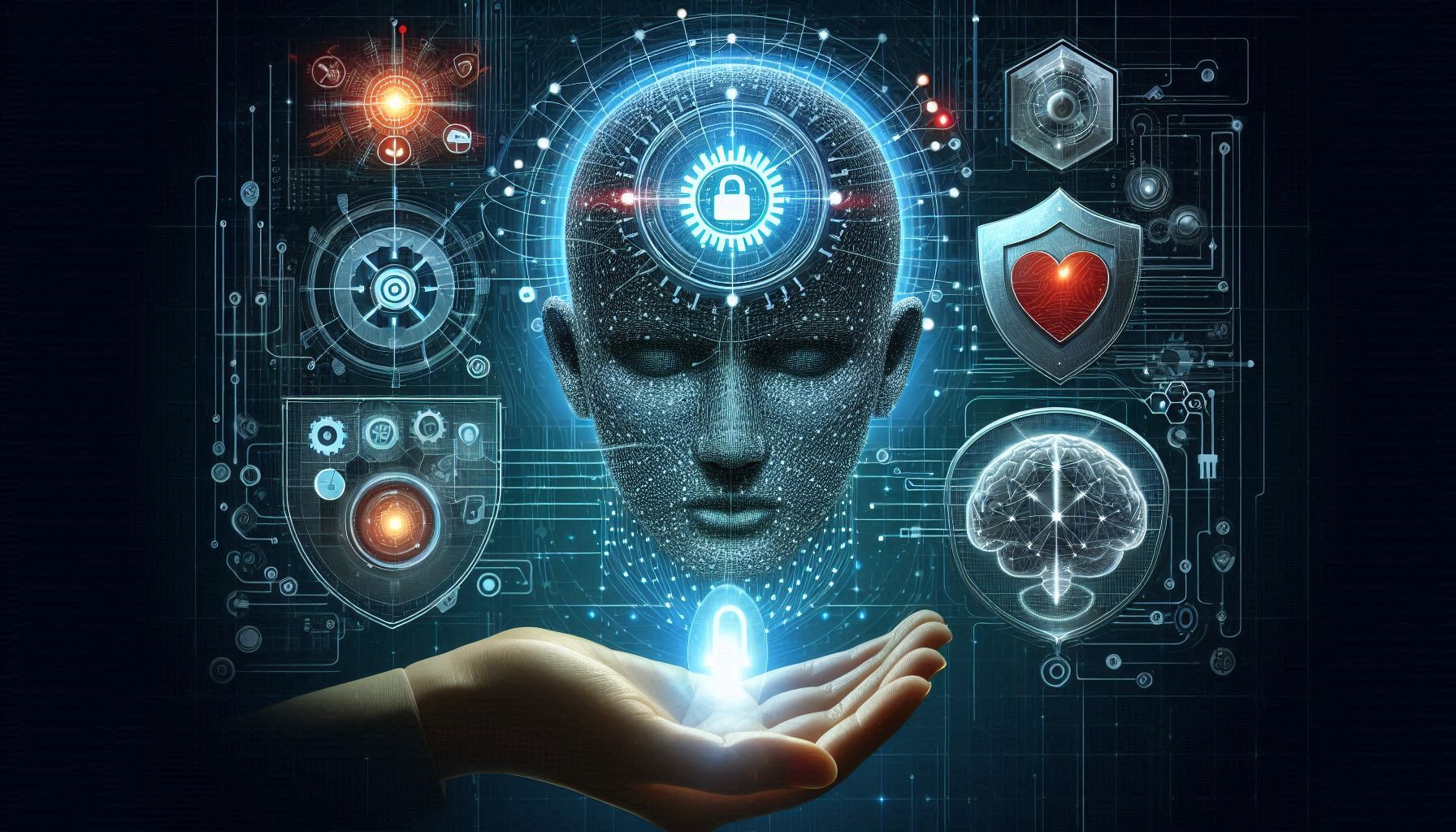
The latest developments combine automation with artificial intelligence, allowing some systems to respond to changing information rather than simply following fixed instructions. For example, an intelligent support system may classify incoming customer queries and direct them to the appropriate department. Employees can then concentrate on complicated requests that require communication, experience, or judgement.
Nevertheless, successful automation depends on understanding the actual problem before choosing a tool. Introducing expensive software without improving an existing process can create additional complications. Businesses should evaluate the time saved, accuracy achieved, implementation cost, and training requirements before expanding automation.
Understanding the Difference Between Major Technology Trends
Different technologies often work together, but each serves a different purpose. Understanding their basic functions helps readers identify where a particular innovation may be useful.
| Technology | Main purpose | Practical application |
|---|---|---|
| Artificial intelligence | Analysing information and supporting intelligent tasks | Research and customer assistance |
| Cloud computing | Providing remote computing and storage resources | Online collaboration and file management |
| Cybersecurity | Protecting systems, accounts, and information | Secure transactions and data protection |
| Automation | Reducing repetitive manual activities | Invoice processing and production |
| Internet of Things | Connecting physical devices to digital networks | Smart appliances and industrial monitoring |
| Robotics | Performing physical tasks through programmable machines | Warehousing and manufacturing |
These technologies are not necessarily independent. An industrial organisation, for example, may combine connected sensors, cloud infrastructure, AI analysis, and robotics to monitor production activities. Understanding these relationships provides a clearer picture of how digital transformation happens in real environments.
The Internet of Things Is Making Devices Smarter
The Internet of Things, commonly known as IoT, describes physical devices connected to the internet that can collect, exchange, and process information. Smart televisions, connected home appliances, wearable devices, and industrial sensors are familiar examples. These products allow users to monitor certain activities, receive notifications, and manage connected equipment through digital applications.
In homes, smart devices can help people control lighting, monitor energy consumption, and manage household appliances remotely. In industrial environments, connected sensors can provide information about equipment performance and operating conditions. This information can help businesses identify maintenance requirements and reduce unexpected interruptions. As connectivity improves, IoT is likely to remain an important part of modern digital infrastructure.
However, connected devices also require responsible management. Users should change default passwords, install available firmware updates, and understand what information their devices collect. Convenience is valuable, but privacy and security should remain important considerations.
Technology Innovation in India
India’s digital development is creating opportunities across education, business, communication, financial services, and public infrastructure. Digital payment systems, online learning platforms, cloud-based services, and AI-powered applications are helping individuals and organisations access services more conveniently. Technology is also supporting entrepreneurs who want to introduce digital products without depending entirely on traditional business infrastructure.
Artificial intelligence and data-driven services are receiving particular attention as businesses explore new ways to improve operations. At the same time, expanding digital infrastructure requires investment in reliable connectivity, skilled professionals, data protection, and secure computing resources. India’s technology journey is increasingly focused on moving beyond basic digitisation towards more intelligent and connected services.
For students and young professionals, these changes create opportunities to develop practical digital skills. Learning programming, data analysis, cybersecurity fundamentals, cloud computing, and AI-related concepts can help individuals prepare for changing workplace requirements. Tech Hopes can serve as an interesting starting point for readers who want to explore these subjects and understand their wider applications.
How to Evaluate New Technology Before Using It
New applications and digital products appear regularly, but choosing the right solution requires more than following popular discussions. A tool that works well for one person may not meet the requirements of another. Before adopting a new technology, users should understand its features, limitations, cost, privacy practices, and compatibility with their existing devices.
For example, a student searching for an AI-powered study application should consider whether it explains concepts accurately, protects personal information, and supports genuine learning. Similarly, a business evaluating automation software should examine whether the product integrates with existing systems and offers dependable technical support.
A sensible evaluation process includes checking the developer’s reputation, reading independent user experiences, testing available free versions, and reviewing the terms of service. Readers exploring Tech Hopes should remember that informed decisions are more valuable than adopting every newly introduced digital trend.
Building Digital Skills for the Future
Technology continues to evolve, which makes continuous learning an important part of personal and professional development. People do not need to master every new tool, but they should develop enough digital knowledge to understand changing requirements and use relevant technologies confidently.
Students can begin by learning computer fundamentals, online research methods, basic coding, and responsible internet practices. Working professionals may benefit from understanding data management, AI-assisted productivity, cloud applications, and digital communication. Entrepreneurs can explore website management, online marketing, business automation, and cybersecurity to improve their operations.
Practical experience is particularly valuable. Instead of only reading about a technology, learners can experiment with suitable applications, complete small projects, and evaluate the results. This approach makes technical concepts easier to understand and helps people recognise how different tools solve real problems.
Tech Hopes also highlights an important idea for curious readers: learning about innovation should be an ongoing process rather than a one-time activity. Following developments, asking questions, and exploring practical examples can gradually improve digital awareness.
Responsible Innovation and the Future of Technology
Technological progress creates opportunities, but it also introduces questions about privacy, employment, environmental impact, accessibility, and responsible decision-making. AI-generated content, for example, makes information creation easier but raises concerns about accuracy, originality, and misuse. Similarly, expanding data centres and computing infrastructure increases the importance of energy efficiency and responsible resource management.
Companies developing new technologies need to consider how their products affect customers, employees, and society. Transparent policies, secure systems, accessible designs, and responsible data practices can help establish public trust. Governments, businesses, educational institutions, and technology professionals all have a role in encouraging innovation while reducing potential harm.
The future will not be shaped by technology alone. Human creativity, critical thinking, communication, and ethical judgement will continue to influence how digital tools are developed and used. The most meaningful innovations will be those that address genuine needs and provide lasting value.
Conclusion
Technology is continuously changing how people learn, communicate, work, and manage everyday activities. Artificial intelligence, cloud computing, cybersecurity, automation, connected devices, and robotics are creating new possibilities across different industries. Understanding these developments helps readers make informed decisions, recognise useful opportunities, and prepare for changing digital requirements.
Staying updated does not mean following every product launch or adopting every new application. It means developing an understanding of important trends, evaluating information carefully, and identifying technologies that offer practical benefits. Tech Hopes represents an opportunity to explore innovation updates, discover emerging digital ideas, and develop a stronger understanding of the modern technology landscape.

