Technology is no longer simply a collection of devices, software programs, and digital services. It has become an important part of how people work, communicate, learn, travel, manage businesses, and solve everyday problems. As digital transformation continues to accelerate, the demand for technology that is practical, secure, accessible, and responsible is growing. Tech Hopes represents a forward-looking approach to innovation in which technology is used not merely to introduce something new, but to create solutions that address genuine challenges and improve experiences.
The changing technology landscape is being shaped by several powerful developments at the same time. Artificial intelligence is becoming more capable, automation is changing business processes, cloud platforms are supporting flexible operations, and connected devices are generating increasingly useful data. At the same time, organizations must deal with cybersecurity threats, privacy concerns, sustainability requirements, and the need to make advanced technology understandable to ordinary users. These developments demonstrate why smarter solutions need to combine innovation with practical thinking.
For businesses and individuals, the most valuable technologies are often those that quietly remove friction from everyday activities. A well-designed digital platform can reduce repetitive work, while an intelligent analytics system can help a company identify patterns that would otherwise remain hidden. Similarly, connected systems can help organizations monitor resources and respond more quickly to changing conditions. The central idea behind Tech Hopes is therefore closely connected with creating meaningful technological progress rather than pursuing innovation for its own sake.
Understanding the Changing Technology Landscape
The technology sector is moving through a period of significant transformation. Earlier digital transformation projects often focused on moving information from paper to computers or replacing manual processes with basic software. Today’s transformation is considerably broader. Businesses are increasingly connecting data, applications, people, machines, and intelligent systems into integrated digital environments. This creates opportunities for organizations to make decisions faster and provide more personalized services.
Artificial intelligence is one of the strongest forces behind this change. Modern AI systems can analyze large quantities of information, recognize patterns, generate content, assist with customer interactions, and support decision-making. However, successful implementation requires more than purchasing an AI tool. Organizations need reliable data, appropriate security controls, clear objectives, and human oversight. Tech Hopes can be understood within this broader movement toward technology that combines computational power with practical human judgment.
Another major change is the increasing importance of real-time information. Companies want to know what is happening within their operations as it happens, rather than waiting for periodic reports. Sensors, connected devices, cloud systems, and analytics platforms make this possible. In manufacturing, real-time information can help identify equipment problems. In retail, it can improve inventory planning. In transportation, connected systems can support more efficient routing and monitoring. These examples show how digital infrastructure can turn raw information into useful operational intelligence.
Artificial Intelligence and Smarter Decision-Making
AI is becoming increasingly important because it can help organizations process information at a scale that would be difficult for humans to manage manually. A company may have thousands of customer interactions, transactions, documents, or operational records. Intelligent systems can examine these datasets and identify recurring patterns, unusual behavior, or opportunities for improvement. Instead of replacing every human decision, AI can act as a decision-support layer that helps people focus on more complex responsibilities.
The most effective AI strategies are usually connected to clearly defined business problems. For example, a customer-service team might use AI to categorize incoming requests before employees handle them. A financial organization could use analytical models to identify potentially unusual transactions for further review. A logistics company might use predictive systems to estimate demand and improve resource planning. These applications demonstrate that the value of AI comes from solving specific problems rather than simply adding an intelligent feature to an existing product.
At the same time, AI introduces important questions around accuracy, transparency, privacy, and accountability. An automated recommendation can be useful, but users need to understand when an AI system is involved and organizations need processes for correcting mistakes. High-quality data is equally important because an intelligent model can produce unreliable results when the information used to train or operate it is incomplete or inaccurate. A responsible Tech Hopes approach therefore places human oversight alongside technological capability.
Automation Is Reshaping Everyday Work
Automation is another major element of modern digital transformation. Repetitive activities such as data entry, document processing, scheduling, reporting, and routine communication can consume substantial amounts of employee time. Automation technologies can handle many of these predictable processes, allowing employees to spend more time on activities requiring creativity, communication, judgment, and strategic thinking.
The rise of intelligent automation is particularly interesting because traditional automation followed fixed rules, whereas newer systems can work with more varied information. For instance, software can extract information from documents, classify requests, or route tasks based on their content. This creates opportunities for businesses to automate processes that previously required significant manual intervention.
However, automation should be introduced thoughtfully. Removing a manual task without examining the larger workflow can simply move a problem from one stage to another. Organizations should first understand how a process works, identify unnecessary complexity, and then determine where automation can provide measurable benefits. Employees should also be involved because they understand practical problems that may not be visible from technical documentation.
Human Skills Remain Essential
Technology may automate certain activities, but human skills remain extremely valuable. Creativity, empathy, negotiation, leadership, critical thinking, and contextual understanding are difficult to reduce to simple rules. The future workplace is therefore more likely to involve collaboration between people and intelligent technologies rather than a complete replacement of human workers.
This shift also makes continuous learning increasingly important. Employees may need to understand new software, interpret AI-generated information, work with automated systems, and recognize potential errors. Businesses that invest in training can create a workforce capable of adapting as technology changes. This combination of human capability and digital tools is one of the strongest foundations for smarter solutions.
Cloud Computing and Connected Digital Infrastructure
Cloud computing has changed how organizations build and operate digital services. Instead of relying entirely on physical infrastructure located within a company’s own facilities, organizations can access computing resources, storage, databases, development platforms, and software through cloud environments. This can provide greater flexibility when business requirements change.

Cloud infrastructure is particularly valuable for organizations that need to scale quickly. An online service may experience a sudden increase in users, while a growing business may need additional storage or computing resources. Cloud-based systems can help organizations respond to these changes without requiring every component of their technology environment to be redesigned from scratch.
Connectivity is also becoming more important as more devices communicate with digital platforms. Internet-connected sensors, smart equipment, vehicles, and consumer devices can produce continuous streams of information. When this information is combined with analytics and automation, organizations can move from simply observing conditions to responding intelligently to them.
| Technology Area | Potential Smart Solution | Practical Benefit |
|---|---|---|
| Artificial Intelligence | Predictive analysis and intelligent assistance | Faster, more informed decisions |
| Automation | Repetitive workflow automation | Reduced manual workload |
| Cloud Computing | Scalable digital infrastructure | Greater flexibility |
| IoT | Connected sensors and monitoring | Real-time operational visibility |
| Cybersecurity | Intelligent threat detection | Stronger digital protection |
Cybersecurity Must Grow Alongside Innovation
As organizations become more dependent on technology, cybersecurity becomes a fundamental requirement rather than an optional feature. A connected organization has more systems, accounts, applications, and data that need protection. Cyberattacks can affect financial operations, customer information, business continuity, and organizational reputation.
Modern cybersecurity increasingly involves multiple layers of protection. Identity controls can help ensure that users access only the resources they need. Multi-factor authentication can add another barrier against compromised credentials. Monitoring systems can identify unusual behavior, while security teams can investigate potential incidents. Regular software updates and employee awareness also remain important because technical defenses can be weakened by outdated systems or human mistakes.
Privacy is closely connected to cybersecurity. Organizations collect increasing amounts of personal and operational information, making responsible data management essential. Customers want to know how their information is collected, stored, analyzed, and shared. Companies that treat privacy as part of product design can build stronger relationships with users while reducing potential risks.
The broader vision of Tech Hopes should therefore include security from the beginning of the innovation process. A solution cannot be considered truly smart if it creates unnecessary security vulnerabilities or treats sensitive information carelessly.
Sustainable Technology for a Changing World
Technology also has an important role in addressing environmental challenges. Data centers, electronic devices, networks, and industrial systems consume significant resources, creating pressure for more efficient technologies. Companies are increasingly looking for ways to reduce energy use, extend equipment lifecycles, and improve resource management.
Smart technologies can support sustainability by helping organizations understand where resources are being consumed. Connected sensors can monitor energy usage in buildings, while intelligent systems can optimize heating, cooling, lighting, and equipment operation. In industrial environments, predictive maintenance can reduce unnecessary component replacement and help equipment operate more efficiently.
Sustainability also involves the complete lifecycle of technology. Producing devices requires raw materials, manufacturing capacity, transportation, and energy. Responsible technology strategies therefore need to consider repairability, recycling, efficient design, and responsible disposal alongside performance.
Building More Responsible Innovation
The future of technology should not be measured solely by processing speed or the number of new features introduced. A better measure is whether an innovation creates lasting value while minimizing unnecessary risks. This requires organizations to consider accessibility, security, environmental impact, affordability, and usability.
Some important principles include:
- Design technology around genuine user needs.
- Protect data and privacy from the beginning.
- Combine automation with meaningful human oversight.
- Measure both technological and practical outcomes.
- Consider sustainability throughout the product lifecycle.
These principles can help turn ambitious technological ideas into solutions that are useful in the real world.
Smart Solutions Across Different Industries
Technology’s influence can be seen across almost every major sector. In healthcare, digital systems can help organize records, support remote services, and assist professionals with information analysis. In education, adaptive learning platforms can provide students with different forms of support based on their needs. In manufacturing, sensors and predictive analytics can improve equipment monitoring and production planning.
Retail is also changing rapidly. Businesses can use customer data to understand purchasing patterns, improve inventory management, and personalize experiences. Financial services are using automation, analytics, and digital identity technologies to make processes faster while strengthening fraud detection. Transportation systems can use connected infrastructure and real-time data to improve routing and operational efficiency.
These applications have a common characteristic: technology works best when it is connected to a clear objective. A sophisticated system is not automatically a useful system. The strongest solutions begin with a problem, establish measurable goals, and then select appropriate technologies to address those goals.
The Future of Digital Innovation
Looking ahead, several technology trends are likely to influence how organizations and individuals interact with digital systems. AI agents may handle increasingly complex workflows, while edge computing can bring processing closer to connected devices. Advances in networking can support faster communication between machines and services, and cybersecurity will become increasingly important as digital ecosystems expand.
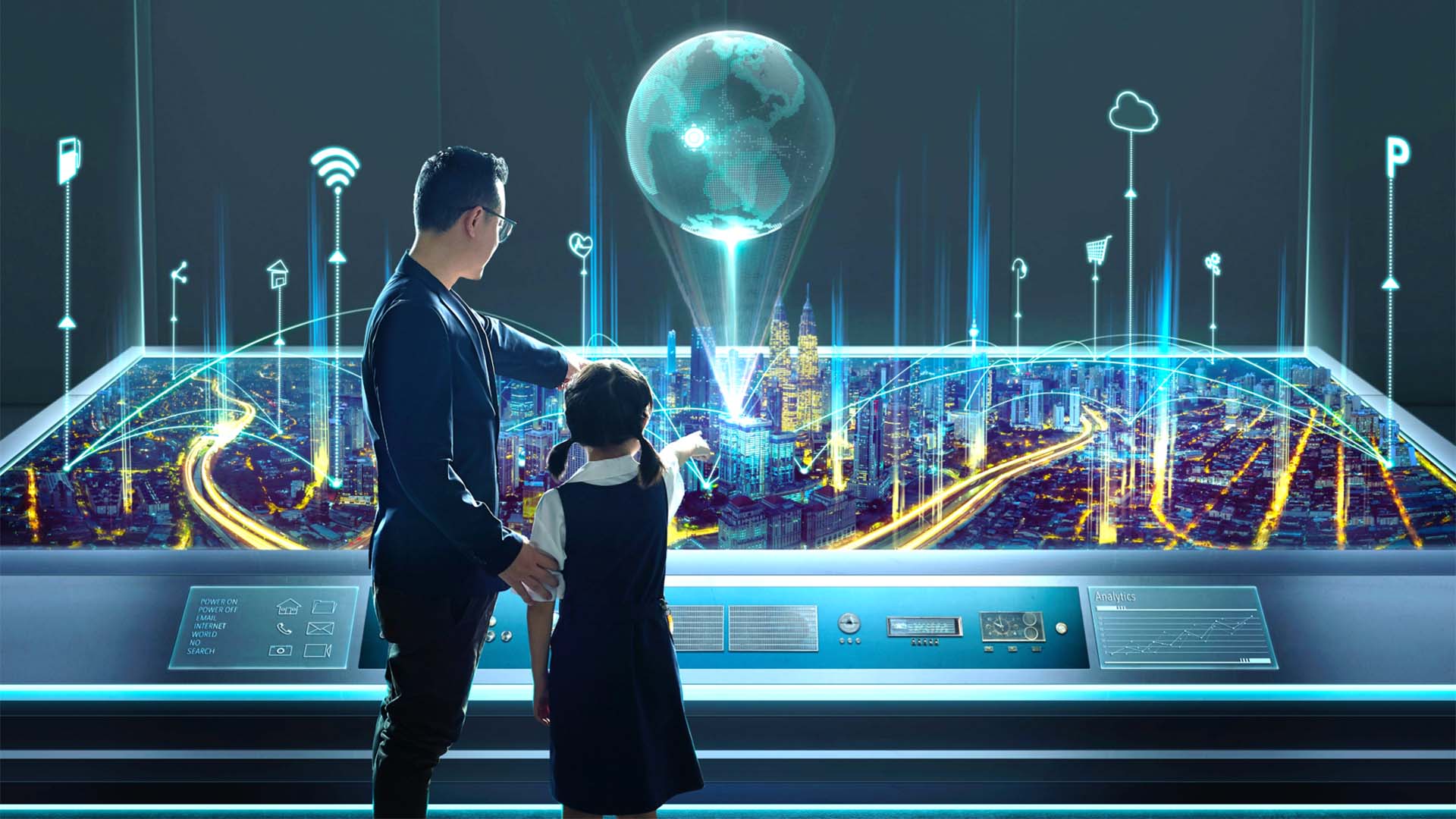
Another important development will be the convergence of technologies. AI, cloud computing, connected devices, automation, analytics, and cybersecurity are no longer separate areas in many modern projects. They increasingly work together. A smart industrial environment, for example, might use sensors to collect information, cloud infrastructure to manage it, AI to identify patterns, automation to respond, and cybersecurity tools to protect the entire environment.
This convergence creates exciting opportunities but also increases complexity. Organizations need technology strategies that look at the entire ecosystem rather than evaluating individual tools in isolation. Tech Hopes reflects this broader perspective by emphasizing smarter, connected, and more practical approaches to digital progress.
Making Technology More Accessible
Innovation has limited value when people cannot use it effectively. User experience, accessibility, affordability, and digital literacy are therefore important parts of technology development. Interfaces should be understandable, services should work across different devices where appropriate, and users should receive enough guidance to make informed decisions.
Accessibility is particularly important because technology is used by people with different abilities, languages, levels of technical knowledge, and resources. Designing for a wider range of users can improve products for everyone. Simple navigation, clear communication, flexible interfaces, and helpful support can make sophisticated systems easier to use.
Organizations should also avoid assuming that users automatically understand emerging technologies. When introducing AI, automation, connected services, or digital security features, clear explanations can increase trust. Technology becomes more powerful when users understand how to interact with it and recognize both its capabilities and limitations.
Conclusion
The future of technology is not only about creating faster machines, more powerful software, or increasingly sophisticated artificial intelligence. It is about understanding how these capabilities can be combined to solve real problems responsibly. Businesses and individuals need technologies that save time, improve decisions, strengthen security, reduce waste, and make digital experiences easier to manage.
From AI and automation to cloud computing, cybersecurity, connected devices, and sustainable infrastructure, the technology ecosystem is becoming increasingly interconnected. The organizations that benefit most will be those that approach innovation strategically and understand the relationship between technology, people, and long-term goals. Tech Hopes captures this forward-looking mindset by focusing on the possibilities created when innovation is guided by practical needs.