Wearable technology has moved far beyond counting steps and displaying smartphone notifications. Modern smartwatches, fitness bands, smart rings, connected earbuds, and emerging health-focused devices are increasingly using artificial intelligence to interpret the information they collect. Instead of simply recording measurements, these devices can identify patterns, provide personalized feedback, and help users understand changes in their everyday health and wellness. This shift is creating new possibilities for people who want convenient access to useful health information without relying exclusively on occasional measurements.
The growing interest in AI-powered wearables also reflects broader expectations around connected technology. With better sensors, more efficient processors, machine-learning models, and improved mobile applications, wearable devices can process larger amounts of personal data than earlier generations. Tech hopes in this area are centered on making health tracking more continuous, understandable, and personalized while keeping the user experience simple enough for everyday use.
At the same time, health wearables should be viewed as monitoring and wellness tools rather than automatic replacements for professional medical care. Measurements can vary depending on device quality, fit, activity, skin contact, and other factors. The real value comes from combining useful measurements with context, long-term trends, and responsible interpretation.
How AI Is Changing Wearable Health Tracking
Traditional fitness trackers generally focused on displaying individual measurements such as heart rate, distance, calories, or steps. AI changes the approach by helping devices interpret multiple signals together. For example, a wearable may combine movement patterns, heart-rate information, sleep behavior, and activity levels to identify changes that would be difficult to recognize by looking at individual numbers.
This ability to identify patterns is one of the most important developments in wearable technology. Instead of asking users to interpret every measurement themselves, AI systems can turn large streams of data into summaries and personalized observations. A device might recognize that a person has been sleeping less than usual, exercising more intensely, or experiencing changes in resting heart rate. Such information can encourage users to pay closer attention to their routines and make appropriate lifestyle adjustments.
Tech hopes are particularly strong around personalization. Different people have different activity levels, sleep schedules, fitness goals, and normal physiological patterns. AI can potentially establish an individual’s baseline over time and compare new measurements against that baseline rather than treating every user according to the same generic standard.
AI Wearables and Continuous Health Monitoring
One of the biggest advantages of wearable technology is its ability to collect information throughout the day. A conventional health measurement may represent a single moment, while a wearable can provide a much broader picture of daily patterns. This can be useful for understanding how activity, rest, stress, and other lifestyle factors change over time.
Continuous monitoring can also make health information more visible in everyday life. Someone may notice that their heart rate behaves differently during exercise than during rest, or that their sleep patterns change after altering their daily routine. When presented responsibly, these trends can help users become more aware of their habits.
However, continuous monitoring does not automatically mean continuous medical diagnosis. Consumer devices vary considerably in their sensors, algorithms, accuracy, and intended uses. Users should therefore treat unusual readings as information worth understanding rather than immediately assuming that a particular measurement represents a medical condition.
Key Health Metrics AI Wearables Can Track
AI wearables can monitor a growing range of health and wellness signals. The exact capabilities depend on the device, its sensors, software, and regulatory status. Common tracking categories include:
- Heart rate and activity during rest or exercise.
- Sleep duration, movement, and sleep-related patterns.
- Physical activity, steps, distance, and workout intensity.
- Some devices can estimate additional physiological measurements using specialized sensors.
These measurements become more useful when they are viewed as trends instead of isolated numbers. For example, one unusual reading may have several possible explanations, whereas a persistent change over multiple days may provide more meaningful context for a user to investigate.
The Role of AI in Sleep Tracking
Sleep has become one of the most popular areas for wearable health technology. Modern devices can use movement sensors, heart-rate measurements, and other signals to estimate sleep duration and identify different periods of sleep. AI can then analyze those measurements to produce summaries that are easier for users to understand.
The potential benefit is not simply knowing how many hours someone slept. Long-term tracking can help users identify relationships between sleep and their daily routines. They may notice differences in sleep after changing exercise schedules, bedtime habits, caffeine consumption, or evening screen use. This makes wearable technology useful as a personal observation tool.
Tech hopes in AI-assisted sleep tracking are moving toward more contextual insights. Rather than displaying a single sleep score, future systems may increasingly explain changes through patterns involving activity, recovery, and daily routines. Such systems could make sleep information more useful without requiring users to study complicated datasets.
Personalized Fitness and Recovery Insights
AI-powered wearables are also changing how people approach exercise. Earlier fitness trackers primarily recorded workouts, while newer systems can analyze exercise intensity, heart-rate patterns, recovery information, and previous activity. This creates opportunities for more personalized recommendations.
For example, a wearable may recognize that a person has completed several demanding workouts in a short period and encourage a lighter recovery session. Another user with lower activity levels may receive reminders to move more throughout the day. The important distinction is personalization: recommendations can be based on a person’s recent behavior rather than a generic fitness schedule.
This does not mean that every AI recommendation should be followed automatically. Exercise decisions depend on individual circumstances, goals, experience, and health considerations. Wearables work best as supportive tools that provide additional information for making informed choices.
AI Wearables and Stress Awareness
Stress tracking is another developing area of wearable technology. Devices may analyze heart-rate patterns, movement, sleep, and other signals to estimate changes associated with stress or recovery. AI can identify patterns that may not be obvious when individual measurements are viewed separately.
The usefulness of these features comes from helping people notice relationships between their routines and how they feel. A user might discover that insufficient sleep, demanding workloads, or limited physical activity frequently coincide with periods when a wearable reports higher stress-related indicators.
However, stress is complex and cannot always be reduced to a single physiological measurement. AI-generated stress scores should therefore be treated as estimates rather than definitive assessments of a person’s emotional state.
Wearable Health Data and Privacy
As AI wearables become more capable, the amount of personal information they collect can also increase. Health-related measurements, activity records, sleep patterns, location information, and behavioral data can create a detailed picture of someone’s daily life. This makes privacy an important consideration when choosing and using wearable technology.
Consumers should understand what information their device collects, where processing occurs, how long data is retained, and which services or applications can access it. Strong account security and sensible privacy settings are also important because wearable data can be highly personal.
The future of AI wearables will depend not only on better sensors and algorithms but also on responsible data practices. Users are more likely to benefit from advanced health technology when they understand how their information is handled and have meaningful control over it.
Comparing Traditional Trackers With AI-Powered Wearables
| Feature | Traditional Fitness Tracker | AI-Powered Wearable |
|---|---|---|
| Basic activity tracking | Common | Common |
| Pattern recognition | Limited | More advanced |
| Personalized insights | Basic | More extensive |
| Health trend analysis | Moderate | Increasingly sophisticated |
| Context-aware recommendations | Limited | Potentially stronger |
| Continuous data interpretation | Basic summaries | AI-assisted analysis |
The distinction between these categories is becoming less rigid as manufacturers add smarter software to existing devices. A device does not necessarily need an advanced physical design to provide AI-based insights; much of the intelligence can come from software, mobile applications, and cloud-based processing.
What Tech Hopes Mean for the Future of Wearables
The phrase tech hopes captures the broader expectations surrounding AI wearables: technology that can become more useful without becoming more complicated. Future devices may use improved sensors and AI models to understand personal patterns with greater context. Instead of presenting dozens of disconnected measurements, they could increasingly organize information into understandable trends.
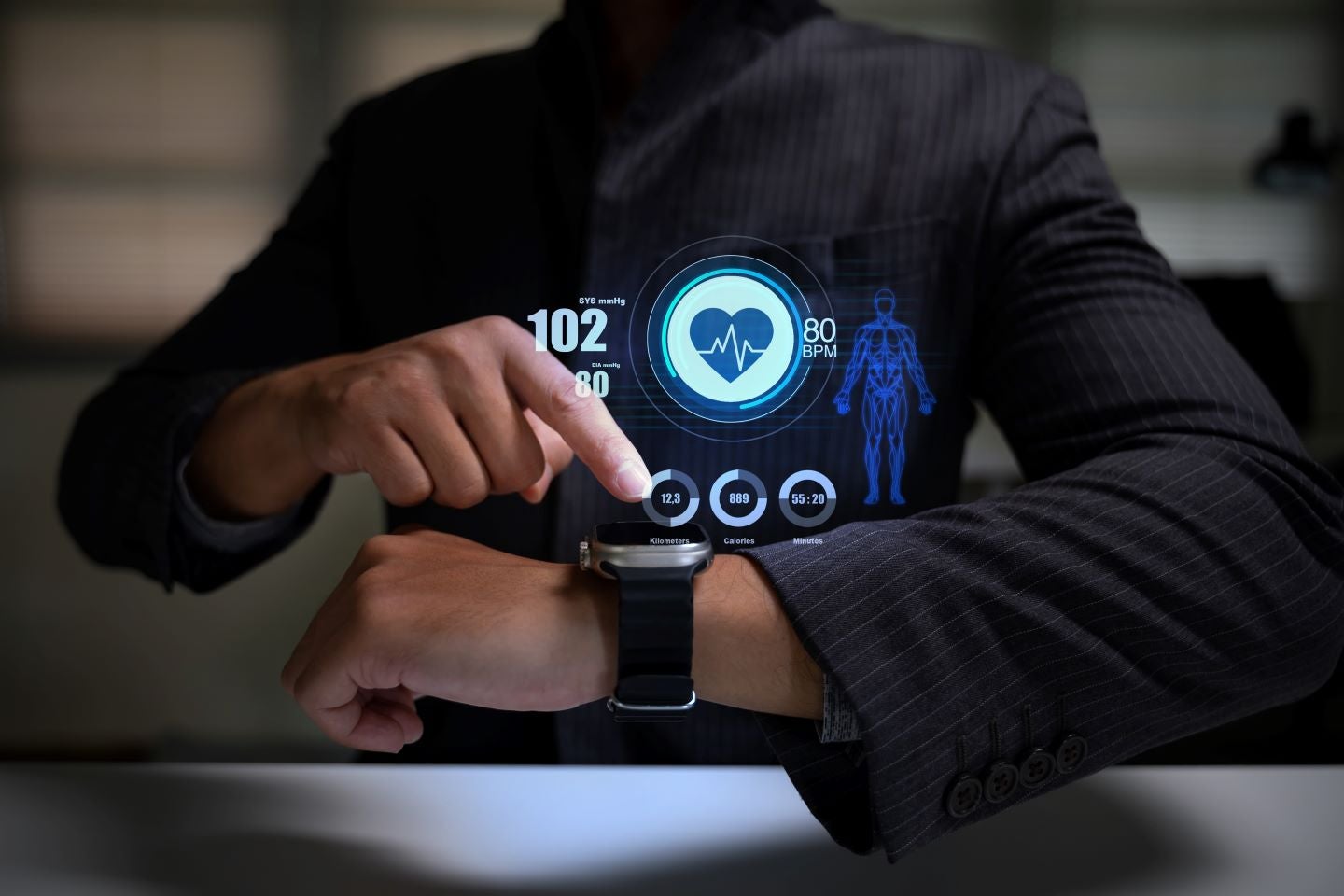
Another potential direction is greater integration between different health and wellness devices. A smartwatch, smart ring, connected scale, exercise equipment, and health application could potentially contribute information to a unified personal dashboard. This could give users a broader view of their lifestyle instead of keeping health information separated across different platforms.
Miniaturization may also make wearable technology more comfortable and less noticeable. Smaller sensors, improved battery technology, and more efficient processors could support devices that operate for longer periods while requiring less user interaction.
Challenges AI Wearables Still Need to Solve
Despite rapid progress, AI-powered health tracking has important limitations. Sensors cannot capture every aspect of human health, and algorithms can make mistakes. Measurements may also be affected by movement, device placement, skin contact, environmental conditions, and differences between users.
Another challenge is information overload. A wearable that constantly produces notifications and recommendations may become distracting rather than helpful. Good product design therefore needs to balance the amount of information provided with the user’s ability to understand and act on it.
Tech hopes for the next generation of wearables will likely depend on solving these practical issues. Better technology is not necessarily technology that produces more data; it is technology that transforms relevant data into useful information while communicating uncertainty clearly.
Making AI Wearables More Useful in Everyday Life
Users can get more value from wearable health technology by focusing on long-term patterns instead of becoming overly concerned about individual readings. Consistent device usage can create a more useful personal baseline, while reviewing trends over weeks or months can reveal changes that are easier to interpret than isolated measurements.
It is also important to select a device according to actual needs. Someone interested mainly in fitness may prioritize workout tracking and battery life, while another person may care more about sleep monitoring or general activity awareness. Understanding the device’s capabilities and limitations before relying on its data can lead to more realistic expectations.
Conclusion
AI wearables are transforming health tracking from simple measurement collection into a more personalized and data-driven experience. By combining sensors, software, and artificial intelligence, these devices can identify patterns in activity, sleep, heart-rate behavior, workouts, and other wellness indicators. Their growing ability to interpret information rather than simply display it represents an important development in consumer technology. The most meaningful tech hopes for AI wearables are not necessarily about replacing healthcare professionals or turning a smartwatch into a complete medical system. Instead, the opportunity lies in helping people understand their everyday habits, recognize long-term patterns, and become more informed about their wellness.