
Digital interactions have become part of everyday life. People use online platforms to access financial services, communicate with organizations, manage healthcare information, complete government processes, shop, study, and work remotely. As these activities continue moving into digital environments, establishing that a person is genuinely who they claim to be has become increasingly important. This is where digital identity systems are playing a central role in modern online security.
A digital identity system provides ways to verify individuals, organizations, devices, or accounts in digital environments. Instead of relying entirely on traditional usernames and passwords, newer identity approaches can combine authentication technologies, cryptographic credentials, biometrics, multi-factor authentication, and other verification methods. Tech Hopes reflects the growing importance of technologies that can make digital interactions more secure without creating unnecessary friction for users.
The development of digital identity is also closely connected to the broader evolution of cybersecurity. Organizations need to protect personal information while making services convenient and accessible. At the same time, individuals increasingly expect greater transparency about how their identity information is collected, stored, and used. These expectations are influencing how businesses and technology providers design identity infrastructure.
What Are Digital Identity Systems?
A digital identity system is a collection of technologies and processes used to establish, verify, and manage identity information in a digital environment. Depending on the application, it can include basic account credentials, government-issued digital credentials, biometric authentication, cryptographic keys, identity wallets, and multi-factor authentication. The objective is to create a reliable method for determining whether a person or entity should be granted access to a particular service.
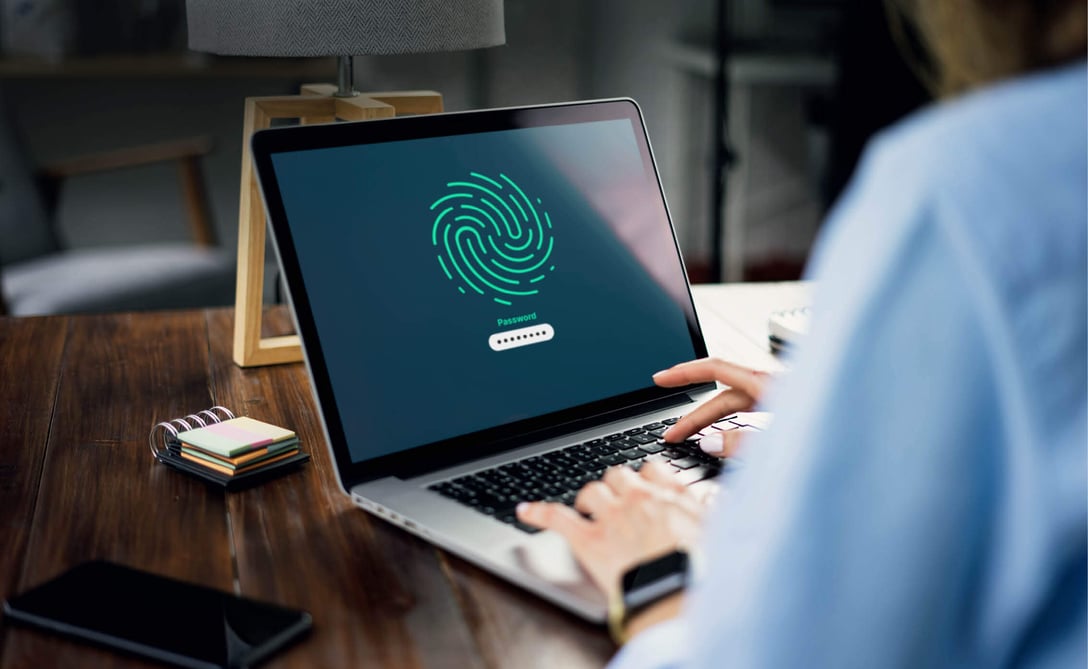
Modern systems are moving beyond the traditional idea of a single username and password. A user may authenticate through a combination of a device, security key, biometric characteristic, trusted credential, or authentication application. This layered approach can reduce dependence on passwords, which remain attractive targets for phishing, credential theft, and automated attacks.
Tech Hopes highlights an important shift in this area: digital identity is increasingly being treated as infrastructure rather than simply an account-management feature. Identity verification can influence everything from accessing a banking application to signing documents, entering enterprise systems, proving eligibility for services, and establishing trust between organizations.
Why Online Trust Matters More Than Ever
Online trust depends on users believing that the person, organization, application, or system they are interacting with is legitimate. Without reliable identity mechanisms, digital services can become vulnerable to impersonation, account takeover, fraud, and unauthorized access. Businesses therefore need identity systems that can establish trust while protecting sensitive information.
The challenge becomes more complex as digital services expand across multiple platforms. An employee may use cloud applications, collaboration software, enterprise databases, remote-access systems, and mobile devices during a single workday. Customers may also maintain accounts across dozens of services. Each additional digital interaction creates another opportunity for identity-related risks.
Modern identity systems attempt to address this challenge by making authentication more adaptive and context-aware. Instead of simply asking whether someone entered the correct password, a system may consider authentication factors, device information, access patterns, permissions, and unusual activity. This can help organizations make more informed access decisions.
How Digital Identity Improves Security
One of the most significant benefits of digital identity systems is stronger authentication. Multi-factor authentication, for example, requires users to provide more than one type of evidence before access is granted. This can include something a person knows, something they possess, or something associated with their physical identity.
Passwordless authentication is another important development. Technologies based on passkeys and cryptographic authentication can reduce exposure to conventional password-based attacks. Instead of transmitting or repeatedly entering a password, users can authenticate through a device-based credential protected by the device itself.
Tech Hopes also connects with the wider movement toward zero-trust security. In a zero-trust environment, authentication is not treated as a one-time event that automatically grants broad access. Systems continuously evaluate whether access should be allowed based on identity, authorization, context, and risk. This approach is particularly relevant for organizations operating cloud-based and distributed technology environments.
Privacy and User Control in Digital Identity
Security alone is not enough. A digital identity system must also consider privacy. Centralizing large quantities of personal information can create significant risks if the system is compromised or if information is used beyond its original purpose. Consequently, modern identity architecture increasingly explores ways to verify information without unnecessarily exposing the underlying data.
One approach is the use of verifiable credentials. Instead of repeatedly sharing a complete identity record, an individual may be able to provide a digitally verifiable credential containing only the information required for a particular transaction. For example, a service might need confirmation that someone is above a certain age rather than requiring their complete identity profile.
This concept of data minimization can improve privacy while maintaining trust. It also gives users greater visibility into what information they are providing. As digital identity adoption expands, these privacy considerations will remain an important part of system design.
Key Technologies Supporting Digital Identity
Digital identity is not based on a single technology. It is an ecosystem involving several complementary technologies and security practices.
- Multi-factor authentication: Adds additional verification requirements beyond passwords.
- Passkeys: Use cryptographic credentials to provide passwordless authentication.
- Biometrics: Can verify characteristics such as fingerprints or facial features.
- Verifiable credentials: Allow digitally signed identity claims to be checked electronically.
- Encryption: Protects identity information during storage and transmission.
These technologies can be combined according to the requirements of a particular service. A banking platform may need stronger identity verification than a basic content service, while an enterprise environment may use several authentication mechanisms simultaneously.
The Role of Decentralized Identity
Decentralized identity is another concept receiving attention as organizations explore alternatives to traditional centralized identity models. In a decentralized approach, identity information and credentials can potentially be managed in ways that give individuals greater control over how information is shared.
Rather than creating a separate identity profile for every service, users could potentially maintain reusable digital credentials and present appropriate information when required. Cryptographic verification can help organizations determine whether a credential is authentic without necessarily requiring direct access to an underlying database.
However, decentralized identity also faces practical challenges. Interoperability, usability, regulatory requirements, recovery mechanisms, and widespread adoption all need to be addressed. A technically sophisticated identity system will have limited value if ordinary users cannot understand or operate it easily.
Digital Identity in Business Environments
Businesses are among the major users of digital identity technologies. Employees need secure access to applications, partners require controlled access to shared systems, and customers expect quick authentication when using digital services. Identity and access management therefore influences both cybersecurity and everyday productivity.
For organizations, effective identity systems can simplify access administration while improving security visibility. Role-based permissions can help ensure that employees receive access appropriate to their responsibilities. When employees change departments or leave an organization, access can also be adjusted or revoked.
Tech Hopes represents the broader technology trend toward integrating security into everyday digital workflows. Instead of treating identity as a separate security layer, organizations increasingly need identity controls to work naturally across cloud platforms, mobile applications, enterprise systems, and remote work environments.
Digital Identity and Customer Experience
Security measures sometimes create friction for customers. Repeated authentication requests, complicated passwords, lengthy registration processes, and excessive identity checks can make digital services frustrating. This creates a difficult balance between security and convenience.
Modern identity solutions attempt to address this problem through simpler authentication methods. Passkeys, biometric verification, trusted devices, and risk-based authentication can allow legitimate users to access services more smoothly while maintaining strong security controls.
The following comparison illustrates how different identity approaches can serve different purposes:
| Identity Approach | Main Purpose | Typical Benefit | Key Consideration |
|---|---|---|---|
| Password Authentication | Basic account access | Simple to implement | Vulnerable to credential theft |
| Multi-Factor Authentication | Stronger account protection | Adds security layers | Can add user friction |
| Passkeys | Passwordless access | Resistant to many phishing attacks | Device and recovery management |
| Biometrics | Identity verification | Convenient user experience | Privacy and data protection |
| Verifiable Credentials | Digital proof | Selective information sharing | Interoperability |
Organizations therefore need to select identity mechanisms according to their risk profile, regulatory environment, user requirements, and technical infrastructure rather than adopting a single solution for every situation.
Challenges Facing Digital Identity Adoption
Despite rapid technological progress, digital identity systems still face several challenges. Interoperability is one of the most important. Different organizations and platforms may use different standards, making it difficult for credentials to work consistently across services.
Privacy is another major concern. Organizations must determine what information they actually need and how long it should be retained. Poor identity governance can create risks even when authentication technology itself is technically strong.

User education also matters. People need to understand authentication requests, recovery procedures, credential protection, and privacy choices. If identity systems become too complicated, users may look for unsafe shortcuts.
Regulatory requirements can further influence implementation. Organizations operating across multiple regions may need to manage different rules concerning personal information, identity verification, consent, data retention, and security.
The Future of Digital Identity Systems
The future of digital identity is likely to involve greater integration between authentication, privacy, cybersecurity, and user experience. Instead of relying on one authentication event, systems may increasingly evaluate identity continuously and dynamically.
Artificial intelligence can also contribute to identity security by helping identify unusual authentication patterns and potentially detecting suspicious behavior. However, automated systems must be carefully governed because incorrect decisions can affect legitimate users. Transparency, human oversight, and appropriate security controls remain important.
Tech Hopes reflects the wider direction of digital transformation in which trust becomes an essential component of technology infrastructure. As organizations move more services online, proving identity securely will become increasingly important for protecting both users and businesses.
Conclusion
Digital identity systems are becoming an essential foundation for trusted online interactions. From multi-factor authentication and passkeys to biometrics and verifiable credentials, modern technologies are giving organizations more ways to verify identities while improving security and convenience. The long-term development of digital identity will depend not only on stronger technology but also on privacy, interoperability, accessibility, governance, and user control. Organizations that approach identity as a complete trust framework rather than simply an authentication feature can better prepare for increasingly connected digital environments.

-(1).jpg&description=Discover how digital identity systems are improving online trust, security, privacy, and access while helping organizations build safer digital experiences.)