
Introduction
Technology has become an essential part of everyday life. From online education and digital payments to artificial intelligence and cloud computing, modern innovations are changing how people communicate, work, learn, and manage their daily activities. As businesses and individuals increasingly depend on digital platforms, having strong technology skills is no longer limited to IT professionals. Students, entrepreneurs, employees, freelancers, and ordinary internet users can all benefit from understanding how digital tools work and how to use them effectively. Developing these abilities can create new opportunities, improve productivity, and make everyday tasks more convenient.
In this changing environment, Tech Hopes represents an opportunity to explore digital knowledge, understand emerging technologies, and develop practical skills for the future. Learning about technology does not necessarily mean becoming a software developer or computer expert. It can begin with understanding basic computer operations, using productivity applications, managing online information, and learning how digital platforms support modern activities. With consistent effort and curiosity, anyone can gradually become more comfortable with technology.
The growing importance of digital literacy also highlights the need for continuous learning. Technology changes quickly, and tools that are popular today may become outdated as new solutions emerge. Therefore, individuals should develop a learning mindset rather than depending on a fixed set of skills. By exploring useful resources, practising new techniques, and understanding current digital trends, people can prepare themselves for a technology-driven future.
Understanding the Importance of Digital Skills in Modern Life
Digital skills refer to the knowledge and abilities required to use computers, smartphones, software, online platforms, and other technological tools. These skills help individuals complete tasks efficiently, communicate with others, access information, and solve everyday problems. In the modern world, digital knowledge is becoming just as important as traditional communication and problem-solving abilities.
Consider how people manage their daily activities today. Online banking allows customers to transfer money without visiting a physical branch, while digital payment applications make shopping and bill payments faster. Students attend virtual classes, employees collaborate through online meeting platforms, and businesses use digital systems to communicate with customers. These examples demonstrate how technology has become deeply connected with ordinary activities.
Digital literacy also helps people become more independent. Someone who understands how to search for reliable information, use online services, and protect personal data can make better decisions while using the internet. Instead of depending on others for every technical task, digitally skilled individuals can solve common problems themselves.
Another important benefit is accessibility. Digital platforms allow people to access educational materials, professional opportunities, and information from different parts of the world. This creates possibilities for individuals who may not have access to traditional learning environments or physical workplaces.
How Technology Is Transforming Different Industries
Technology is influencing almost every major industry. Businesses are adopting automation, healthcare professionals are using digital records, educational institutions are introducing online learning systems, and financial organisations are developing faster digital services. These changes are improving efficiency while creating new requirements for employees and professionals.
In the education sector, digital learning platforms have made knowledge more accessible. Students can watch recorded lectures, participate in online discussions, complete interactive exercises, and access educational materials from their homes. Artificial intelligence tools are also helping learners understand difficult concepts by providing explanations and personalised learning assistance. However, students still need critical thinking skills to evaluate information and avoid relying entirely on automated answers.
Healthcare is another area experiencing significant digital development. Electronic health records, appointment management systems, telemedicine services, and advanced diagnostic technologies are helping medical professionals organise information and improve patient communication. These tools can make healthcare services more convenient, although professional judgement and patient privacy remain essential.
Businesses are also using technology to improve their operations. Digital marketing, cloud-based software, customer relationship management systems, and data analytics help organisations understand customer behaviour and manage resources. Small businesses can now use affordable digital tools to reach customers beyond their local markets.
The following table explains how technology supports different industries.
| Industry | Technology Used | Major Benefit |
|---|---|---|
| Education | Online learning platforms | Flexible learning opportunities |
| Healthcare | Digital health records | Better information management |
| Banking | Digital payment systems | Convenient financial transactions |
| Retail | E-commerce platforms | Wider customer reach |
| Manufacturing | Automation and robotics | Improved operational efficiency |
| Agriculture | Smart farming technologies | Better resource management |
These developments show that digital knowledge can be valuable across different professional fields. People who understand the relationship between technology and their chosen industry may find it easier to adapt to changing workplace expectations.
Building Essential Digital Skills for the Future
Developing digital skills requires a combination of theoretical understanding and practical experience. Reading about technology can provide useful knowledge, but applying that information is what builds confidence. Beginners should focus on fundamental abilities before moving towards more advanced subjects.
1. Improve Basic Computer Knowledge
Basic computer knowledge creates a strong foundation for further learning. Individuals should understand how operating systems work, how to organise files, how to install applications, and how to manage common software programs. These abilities are useful in educational environments, offices, and personal activities.
Learning word processing, spreadsheets, and presentation software can also improve productivity. For example, students can prepare assignments using document applications, while business owners can maintain financial records through spreadsheets. Understanding these everyday tools can make professional and personal responsibilities easier to manage.
2. Develop Internet Research Skills
The internet contains enormous amounts of information, but not every online source is accurate or trustworthy. Learning how to research effectively is therefore an important digital skill. Users should understand how to identify reliable websites, compare information from multiple sources, and recognise misleading claims.
For example, someone researching a new smartphone should compare specifications, examine independent reviews, and check information from reliable sources before making a purchase. The same approach is useful when studying educational topics or researching professional opportunities.
Tech Hopes can be associated with this broader learning approach because understanding technology also involves knowing how to find, evaluate, and apply information responsibly.
3. Understand Artificial Intelligence
Artificial intelligence has become one of the most influential areas of modern technology. AI-powered applications can help users generate ideas, summarise information, analyse data, translate languages, and automate repetitive activities. These capabilities are changing how people approach education and professional work.
However, using AI effectively requires more than entering simple instructions. Users should learn how to ask clear questions, evaluate generated responses, identify possible inaccuracies, and protect confidential information. AI should support human judgement rather than replace independent thinking.
For example, a student may use an AI assistant to understand a complicated scientific concept. The student should still compare the explanation with educational materials and develop an independent understanding of the subject.
4. Learn Digital Communication and Collaboration
Modern workplaces increasingly depend on digital communication. Email, video conferencing, messaging applications, and collaborative documents allow people to work together even when they are located in different cities or countries.
Understanding professional communication is therefore important. Individuals should know how to write clear emails, participate in virtual meetings, share documents safely, and communicate respectfully through online platforms. These abilities are particularly useful for remote employees, freelancers, students, and business owners.
5. Develop Basic Cybersecurity Awareness
Digital knowledge is incomplete without an understanding of online safety. Cybersecurity awareness helps individuals protect their personal information, financial accounts, and digital identities.
Users should understand the importance of strong passwords, two-factor authentication, software updates, and secure internet connections. They should also recognise suspicious messages, fake websites, unexpected attachments, and phishing attempts.
A simple example is receiving an email that claims an account will be closed unless the user immediately shares their password. Recognising such warning signs can prevent unauthorised access and financial loss.
The Growing Role of Artificial Intelligence and Automation
Artificial intelligence and automation are changing the way organisations complete tasks. Businesses increasingly use intelligent systems to analyse information, organise customer requests, identify patterns, and support decision-making. These technologies can reduce repetitive work and allow employees to concentrate on activities that require creativity, communication, and problem-solving.
In the coming years, AI-related knowledge may become useful in many professions. Marketing professionals can use AI tools to understand customer trends, designers can explore creative concepts, and analysts can process large amounts of information more efficiently. Even individuals without technical backgrounds can benefit from learning how to use AI applications responsibly.
Automation is also influencing manufacturing, logistics, customer service, and administration. Repetitive processes can be handled through automated systems, improving consistency and saving time. However, automation may also change certain job responsibilities, making adaptability and continuous learning increasingly important.
It is equally necessary to understand the limitations of these technologies. AI systems can produce inaccurate information, reflect biases in their training data, or misunderstand complicated instructions. Human supervision remains essential, particularly when decisions involve financial, legal, medical, or personal consequences.
Rather than viewing artificial intelligence only as a replacement for human work, individuals should understand how it can become a supporting tool. Learning to work alongside technology can help people remain productive while developing skills that automated systems cannot easily reproduce.
Why Continuous Learning Matters in a Digital World
Technology is constantly evolving, which means professional knowledge must evolve as well. A skill that was highly valuable several years ago may require updating today because new software, devices, and digital processes have become available. Continuous learning allows individuals to remain informed and prepared for these changes.
For students, learning new technologies can support academic performance and help them understand future career requirements. For working professionals, updating digital knowledge can improve workplace efficiency and create opportunities for career development. Entrepreneurs can also benefit by discovering tools that simplify business operations and improve customer experiences.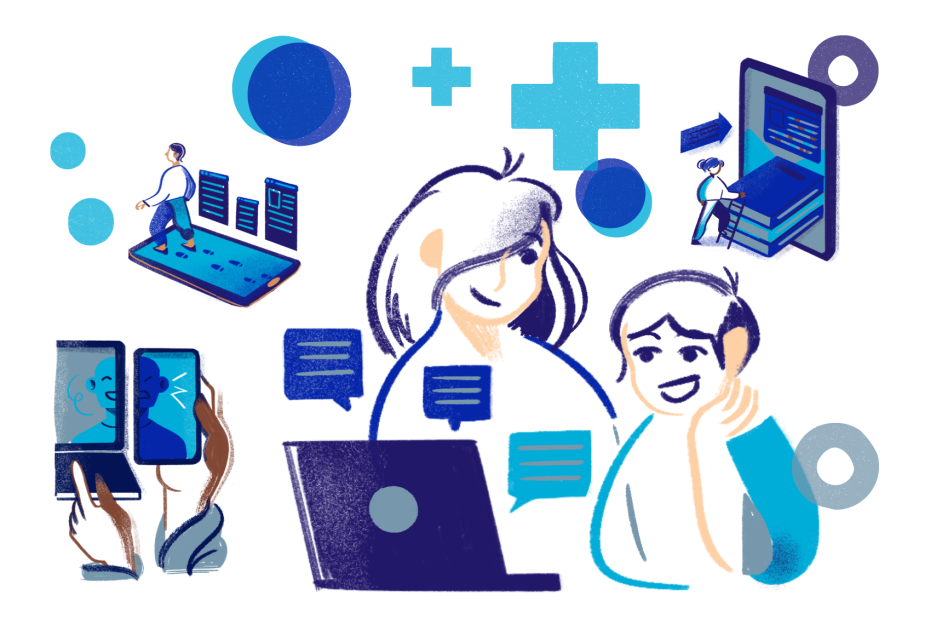
One practical way to maintain a learning routine is to dedicate a small amount of time each day to technology-related education. Instead of attempting to master several complicated subjects simultaneously, learners can select one area and gradually develop their understanding.
Some useful learning activities include:
-
Exploring new software applications and productivity tools.
-
Watching educational demonstrations and technology tutorials.
-
Practising spreadsheet, presentation, and document management skills.
-
Reading about artificial intelligence and cybersecurity developments.
-
Working on small digital projects to apply newly acquired knowledge.
These activities can help transform theoretical information into practical abilities. Consistency is more important than attempting to learn everything within a short period.
Career Opportunities Created by Digital Knowledge
Digital transformation is creating opportunities in both technical and non-technical professions. Although software development, cybersecurity, and data science remain important career areas, many other industries also require employees with strong digital abilities.
Digital marketing is one example. Professionals in this field use online advertising platforms, search engine optimisation, content management systems, and analytics tools to help businesses reach customers. Understanding audience behaviour and digital communication can be valuable for people interested in creative and business-related careers.
Data analysis is another growing area. Organisations collect information about customers, sales, operations, and market trends. Professionals who can organise and interpret this information help businesses make informed decisions. Learning spreadsheets, data visualisation, and basic analytical methods can provide a useful starting point.
Other career areas include web development, graphic design, cloud computing, technical support, and cybersecurity. Each field requires different levels of technical knowledge, but many share common foundations such as problem-solving, communication, and digital literacy.
| Career Field | Important Skills | Potential Work |
|---|---|---|
| Digital Marketing | SEO, analytics, content strategy | Marketing specialist |
| Web Development | HTML, CSS, JavaScript | Web developer |
| Data Analysis | Spreadsheets, data interpretation | Data analyst |
| Graphic Design | Design software, creativity | Graphic designer |
| Cybersecurity | Network security, risk awareness | Security analyst |
| Cloud Computing | Cloud platforms, system management | Cloud support specialist |
Choosing a career should involve more than following popular technology trends. Individuals should consider their interests, existing strengths, educational background, and long-term professional goals. Building a strong foundation and gaining practical experience can make career development more sustainable.
How Beginners Can Start Learning Technology
Starting a technology learning journey can feel challenging, particularly for individuals who have limited experience with digital tools. However, learning becomes easier when the process is divided into manageable steps. Beginners do not need expensive equipment or advanced technical knowledge to begin developing useful skills.
The first step is identifying a learning objective. Someone interested in office work may begin with document preparation and spreadsheets, while a person interested in creative work may explore graphic design applications. Individuals interested in technology careers can gradually move towards programming, networking, or data analysis.
The second step is choosing suitable learning materials. Online courses, educational videos, digital books, and practical tutorials can help learners understand different subjects. It is important to select resources that explain concepts clearly and provide opportunities for practice.
The third step is applying knowledge through small projects. For instance, a beginner learning spreadsheets can create a monthly expense tracker. Someone exploring graphic design can prepare a simple poster, while a new programmer can develop a basic calculator. Such activities make learning more practical and help individuals identify areas that need improvement.
Tech Hopes reflects the importance of exploring technology with curiosity and a willingness to improve. Instead of feeling pressured to understand every new innovation, beginners should focus on developing one useful skill at a time.
Common Challenges in Developing Digital Skills
Although digital learning offers many advantages, individuals may face several challenges during the process. Limited access to devices, unreliable internet connections, financial restrictions, and a lack of technical guidance can make learning difficult. These barriers are especially relevant for people living in areas where digital infrastructure and educational opportunities are limited.
Another common challenge is information overload. The internet provides countless tutorials, courses, applications, and opinions about technology. Beginners may struggle to decide which information is useful and which learning path they should follow. Choosing a clear objective and using reliable educational materials can reduce this confusion.
Fear of making mistakes can also slow down learning. Some people avoid exploring unfamiliar applications because they worry about changing settings or damaging something. In reality, making small mistakes is a normal part of learning. Practising with non-essential files and using beginner-friendly tutorials can help build confidence.
To overcome these challenges, learners should adopt a realistic approach. They can begin with free educational resources, practise using available devices, and gradually explore more advanced subjects. Asking questions, joining learning communities, and reviewing previous lessons can also make the experience more effective.
Responsible Technology Use and Digital Well-Being
Developing digital skills is not only about learning new applications. It also involves understanding how technology affects personal well-being, privacy, and everyday behaviour. Spending excessive time on digital platforms can affect concentration, sleep routines, and face-to-face communication. Therefore, responsible technology use should remain an important part of digital education.
Users should develop healthy screen habits by taking regular breaks, maintaining a balanced daily schedule, and avoiding unnecessary notifications. Setting specific times for work, study, and entertainment can help prevent digital distractions from taking over everyday activities.
Privacy is another important consideration. Many applications collect personal information to provide services and personalise user experiences. Before sharing sensitive details, individuals should understand the information being requested and review relevant privacy settings. They should also avoid publishing confidential documents, financial details, or personal information on unfamiliar platforms.
Responsible digital behaviour also includes respecting other people online. Sharing accurate information, avoiding harmful comments, respecting intellectual property, and communicating professionally contribute to a safer digital environment. Technology becomes more valuable when people use it thoughtfully and consider its impact on others.
Future Technology Trends Everyone Should Understand
The future of technology will likely involve further developments in artificial intelligence, cloud computing, automation, cybersecurity, and connected devices. These innovations are expected to influence how people work, communicate, study, and access services.
Artificial intelligence will continue expanding across industries, with applications supporting research, content creation, customer service, and business analysis. Cloud computing will remain important because it allows individuals and organisations to store information and access software without depending entirely on local computer systems.
The Internet of Things is another area worth understanding. It connects everyday devices such as smart appliances, sensors, and monitoring systems through digital networks. These technologies can improve convenience and efficiency, although they also introduce privacy and security considerations.
Cybersecurity will become increasingly important as more personal and organisational activities move online. Protecting digital systems, identifying security threats, and managing sensitive information will remain important responsibilities for individuals and businesses.
Sustainable technology is also gaining attention. Organisations are exploring energy-efficient data centres, improved electronic waste management, renewable energy systems, and more responsible manufacturing practices. This demonstrates that technological progress must also consider environmental effects.
For individuals, the most valuable approach is to remain curious and adaptable. Understanding major developments can help people make informed decisions without feeling that they must immediately master every emerging technology.
Conclusion
Digital knowledge has become an important part of modern life, influencing education, business, communication, healthcare, and professional development. As technology continues to evolve, individuals who understand digital tools and develop practical skills will be better prepared to manage new opportunities and challenges. From basic computer knowledge and online research to artificial intelligence and cybersecurity awareness, every skill can contribute to greater confidence and independence.
Tech Hopes highlights the value of continuous learning and exploring technology with a practical mindset. Building digital abilities does not require becoming an expert overnight. It involves setting realistic goals, practising consistently, learning from mistakes, and staying informed about useful developments. Students can improve their educational experience, professionals can strengthen their career prospects, and entrepreneurs can discover better ways to manage their businesses.
Ultimately, a technology-driven future will reward people who are willing to adapt, think critically, and use digital innovations responsibly. By making learning a regular habit and focusing on meaningful skills, anyone can take positive steps towards a more confident and productive digital future.

