
Modern users rely on digital tools for communication, productivity, learning, business, entertainment, and everyday problem-solving. From AI-powered assistants to cloud platforms and automated applications, technology has become closely connected with routine tasks. Tech Hopes represents a practical approach to understanding these developments and using digital tools more effectively.
The value of smart technology is not simply about having access to more applications. It is about choosing tools that solve genuine problems, reduce unnecessary effort, and improve the way people work. A well-selected productivity platform can simplify project management, while an intelligent assistant can help organize information or generate useful ideas. Understanding how these technologies function allows users to make more confident digital decisions.
Understanding the Role of Smart Digital Tools
Smart tools are software applications and digital platforms designed to perform tasks efficiently, often by using automation, artificial intelligence, data processing, cloud computing, or connected services. They can handle repetitive activities, organize information, analyze patterns, and provide recommendations.
For everyday users, the most useful technologies are often those that make complicated processes easier. A calendar application that automatically organizes appointments, for example, can save time without requiring advanced technical knowledge. Similarly, cloud storage makes it possible to access documents across different devices without depending on a single computer.
Tech Hopes can be viewed as a technology-focused perspective that encourages users to explore these practical applications rather than simply following every new trend. The focus should remain on usefulness, accessibility, and responsible adoption.
How AI Is Changing Everyday Technology
Artificial intelligence is one of the most important developments influencing modern digital tools. AI can analyze information, recognize patterns, understand natural language, and assist with tasks that previously required extensive manual work.
AI-powered tools can support writing, research, customer service, image processing, data organization, coding, translation, and education. For example, a student may use an AI application to understand a difficult concept, while a small business owner may use automation to organize customer inquiries.
However, AI tools should be treated as assistants rather than unquestionable authorities. Generated information can contain errors, outdated details, or misleading conclusions. Users should review important outputs and verify information before relying on it for significant decisions.
The practical approach associated with Tech Hopes is therefore not about accepting every AI feature automatically. Instead, users can evaluate whether an AI solution genuinely improves a task while considering accuracy, privacy, transparency, and ease of use.
Smart Tools for Productivity and Organization
Productivity software has evolved considerably beyond simple word processors and spreadsheets. Modern platforms can combine task management, collaboration, scheduling, document sharing, automation, and communication in one environment.
Different users require different productivity solutions. A freelancer may need a straightforward task manager, while a growing team could benefit from project-management software with shared workspaces and workflow automation. Students may prefer note-taking applications that support search, synchronization, and structured organization.
| Tool Category | Common Purpose | Potential User Benefit |
|---|---|---|
| AI assistants | Research and task support | Faster information handling |
| Cloud storage | File management | Access across devices |
| Project tools | Task coordination | Better workflow visibility |
| Note-taking apps | Information organization | Easier retrieval |
| Automation platforms | Repetitive processes | Reduced manual effort |
| Cybersecurity tools | Digital protection | Safer online activity |
Choosing a tool should begin with the problem rather than the feature list. A platform with dozens of advanced functions may be less useful than a simple application that performs one important task reliably.
Technology for Better Communication
Digital communication tools have transformed how people interact at work, in education, and in personal life. Messaging platforms, video conferencing, collaborative documents, and shared calendars allow users to communicate without being in the same physical location.
Smart communication tools can also improve accessibility. Features such as automatic transcription, translation, searchable conversations, and screen sharing can make digital interaction more convenient for different groups of users.
At the same time, communication overload can become a problem. Receiving constant notifications from multiple platforms may reduce concentration and make important messages harder to identify. Users can improve their digital experience by controlling notifications, organizing conversations, and selecting fewer platforms for essential communication.
Tech Hopes encourages a balanced view in which technology supports human communication instead of creating unnecessary complexity.
Cloud Computing and Connected Workflows
Cloud computing has become an important foundation for many smart tools. Instead of keeping every application and file exclusively on one device, cloud-based services can provide access through internet-connected systems.
For users, this can make collaboration easier. Multiple people can work on shared documents, access updated files, and coordinate projects without repeatedly exchanging attachments. Businesses can also use cloud platforms for customer management, accounting, communication, storage, and internal operations.
Nevertheless, cloud convenience comes with responsibilities. Users should understand account permissions, password security, backup options, and privacy settings. Important files should not be protected by a single account or weak authentication method.
A reliable digital workflow combines convenience with sensible security practices. This balance is especially important as more personal and professional activities move online.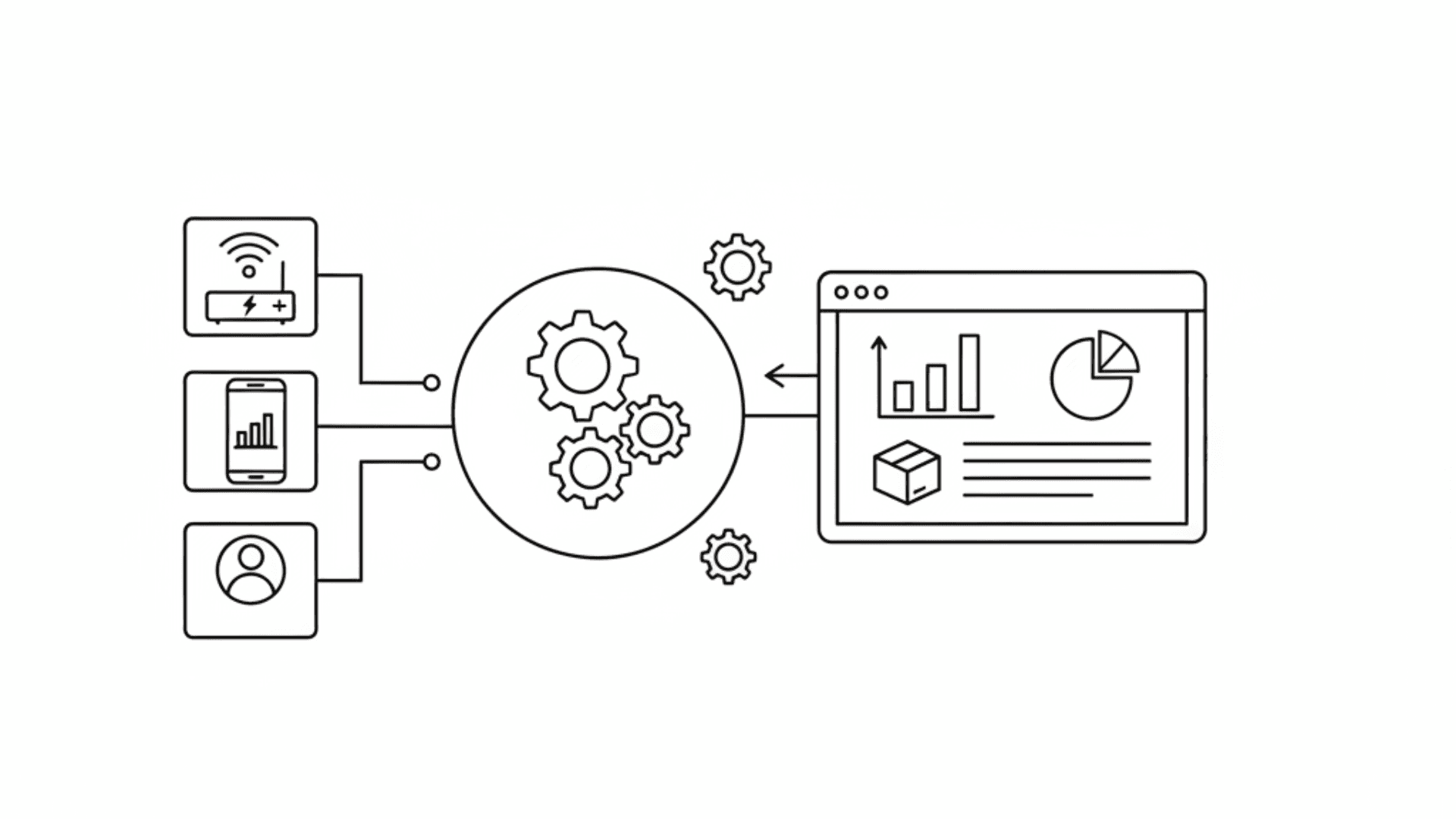
Choosing Smart Tools Without Creating Digital Clutter
Having more applications does not necessarily mean being more productive. Installing numerous tools can create duplicate functions, scattered information, unnecessary subscriptions, and additional security risks.
Before adopting a new platform, users can ask a few practical questions:
- What specific problem does the tool solve?
- Does it work well with existing applications?
- Is the interface easy to understand?
- What data does it collect?
- Are its important features available without unnecessary complexity?
Tech Hopes is most useful as a mindset centered on practical technology selection. Instead of collecting applications because they are popular, users can build a smaller digital toolkit that matches their actual needs.
The Importance of Digital Privacy
Smart technology often depends on information. Applications may process names, documents, location data, usage patterns, contacts, or other forms of personal information. Understanding privacy settings is therefore an important part of responsible technology use.
Users should review permissions before granting access. An application that provides a simple service may not need access to unrelated information. Strong passwords and multi-factor authentication can also reduce the risk of unauthorized account access.
Privacy is especially important when using AI-based services. Before uploading confidential documents, personal records, financial information, or private business material, users should understand how the service handles submitted content.
Technology becomes more useful when people understand not only what it can do but also what information it requires.
Smart Technology for Learning and Skill Development
Digital tools have created new opportunities for learning. Online courses, interactive tutorials, AI tutors, educational platforms, digital libraries, and productivity applications can help people develop skills at their own pace.
A learner can use technology to create study schedules, summarize complex subjects, practice languages, organize notes, or receive feedback. However, technology should support active learning rather than replace it. Reading, practicing, questioning, and applying information remain essential.
Tech Hopes can also relate to the broader idea that technology should make learning more accessible and adaptable. Users can experiment with different tools until they find methods that fit their learning style and goals.
Automation and the Future of Everyday Tasks
Automation is another major area shaping smart tools. Simple automation can move information between applications, schedule routine activities, organize files, send reminders, or trigger predefined actions.
For businesses, automation can reduce repetitive administrative work and allow employees to focus on tasks requiring judgment and creativity. Individuals can use automation for reminders, recurring workflows, file organization, and other routine activities.
However, automation should be introduced carefully. A poorly configured workflow can repeat errors quickly or create unexpected results. Important automated processes should be monitored regularly, particularly when they involve sensitive information or customer interactions.
Building a More Practical Digital Future
The future of technology will likely involve deeper integration between AI, cloud computing, automation, connected devices, and personalized software. Users may increasingly interact with digital systems through natural language rather than traditional menus and commands.
This development creates opportunities as well as challenges. Greater convenience can improve productivity, but increased dependence on technology makes digital literacy more important. People need to understand basic security, privacy, verification, and responsible technology use.
Tech Hopes reflects the idea that technological progress should ultimately remain user-focused. The strongest digital solutions are not necessarily the most complicated ones; they are the tools that solve meaningful problems while remaining understandable, dependable, and accessible.
Conclusion
Smart tools can simplify work, improve communication, support learning, organize information, and automate repetitive activities. Their real value depends on how thoughtfully users select and apply them. Tech Hopes highlights a practical approach in which technology is evaluated according to usefulness rather than popularity alone.
As digital platforms continue to evolve, users can benefit by maintaining a balanced approach: explore new solutions, verify important information, protect personal data, and avoid unnecessary digital clutter. With the right habits, smart technology can become a practical partner in everyday life rather than another source of complexity.

