Technology continues to redefine the way people live, work, communicate, and solve complex challenges. From artificial intelligence and automation to renewable energy and smart infrastructure, innovation has become a driving force behind global progress. As societies evolve, the concept of tech hopes reflects the optimism and expectations people place on emerging technologies to create a better future. Businesses, governments, educators, and consumers all look toward innovation as a source of growth, efficiency, and opportunity.
The rapid pace of technological development has created a world where ideas can transform into impactful solutions faster than ever before. Innovations that once seemed impossible are now becoming part of everyday life. Whether it is healthcare advancements, intelligent transportation systems, or sustainable energy solutions, technology continues to unlock new possibilities.
This article explores the relationship between innovation and technological progress, examines current trends, discusses opportunities and challenges, and highlights how tech-driven advancements are shaping the future. Understanding these developments can help individuals and organizations prepare for the opportunities that lie ahead.
Understanding Tech Hopes and Their Importance
The phrase tech hopes represents the aspirations people have for technology to improve quality of life and solve pressing global issues. These hopes are rooted in the belief that innovation can address challenges such as climate change, healthcare accessibility, education gaps, and economic inequality.
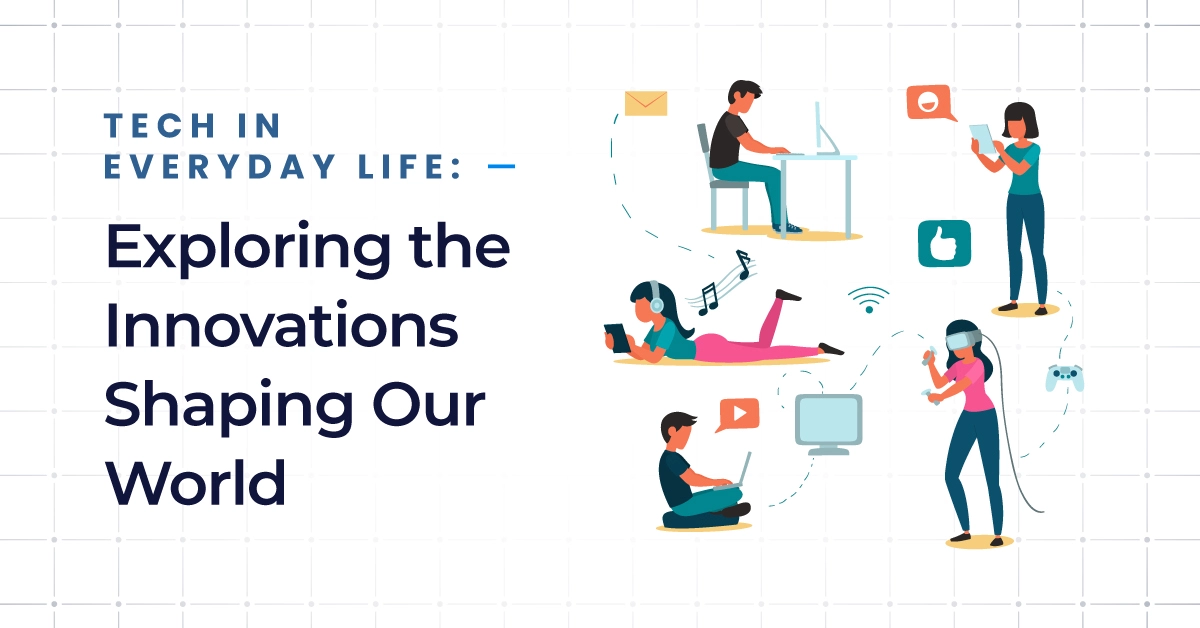
Technology has consistently proven its ability to transform industries and create new opportunities. Over the past few decades, digital transformation has revolutionized communication, commerce, and information sharing. As innovation accelerates, expectations continue to grow regarding what technology can achieve.
Organizations invest heavily in research and development because innovation often leads to competitive advantages. Consumers also benefit from new products and services that improve convenience, efficiency, and productivity. Governments support technological initiatives to strengthen economies and improve public services.
The importance of tech hopes lies not only in technological achievements but also in inspiring future generations of innovators. Optimism about technological progress encourages investment, creativity, and collaboration across industries. As a result, innovation becomes a catalyst for long-term social and economic development.
The Evolution of Innovation in the Digital Era
Innovation has evolved significantly over the years. In the past, technological breakthroughs often required decades of development and implementation. Today, digital tools and global connectivity enable faster experimentation and adoption.
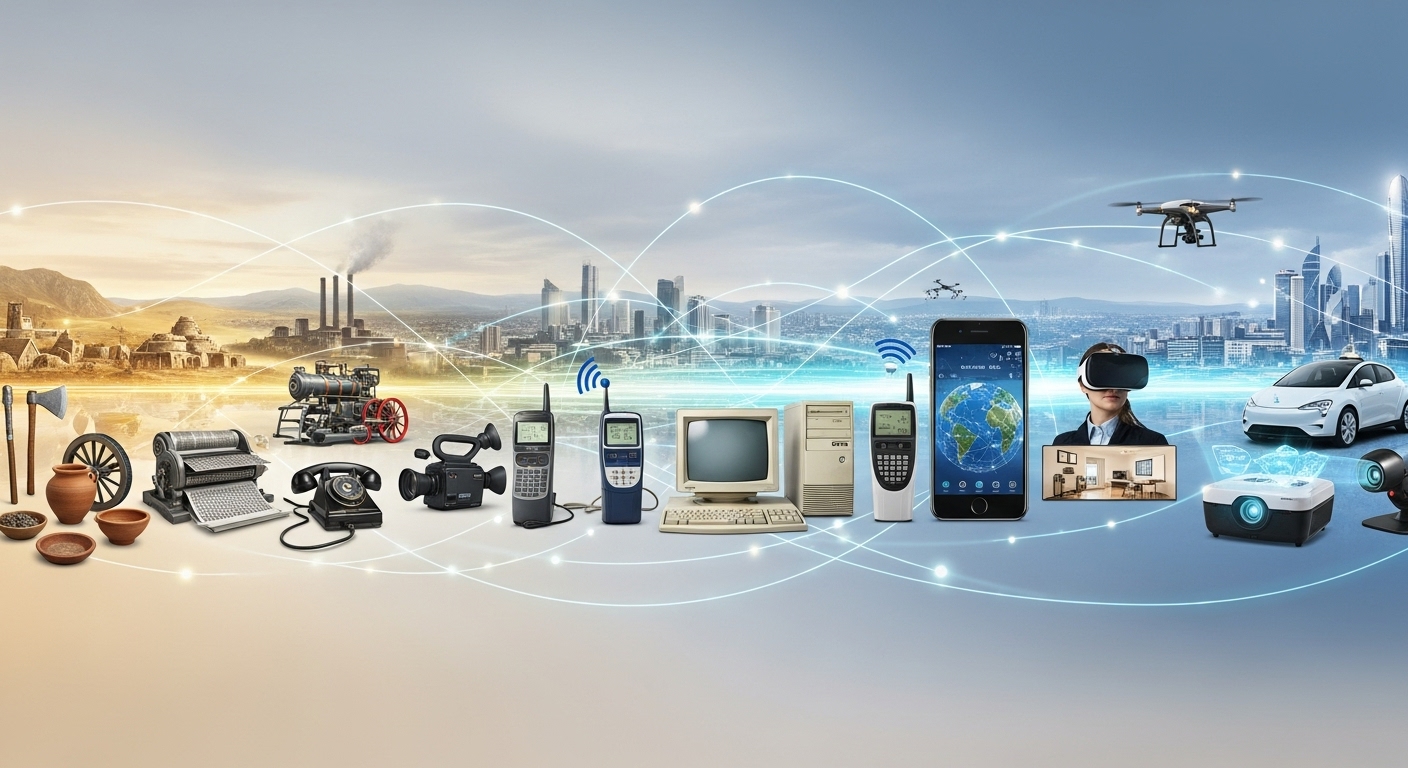
The digital era has introduced technologies that have transformed business operations and consumer experiences. Cloud computing, artificial intelligence, machine learning, and data analytics have become essential components of modern innovation strategies.
Several factors contribute to the rapid pace of innovation:
- Increased access to information
- Global collaboration opportunities
- Advanced computing capabilities
- Growing investment in technology sectors
- Rising consumer demand for digital solutions
These factors have created an environment where innovative ideas can quickly reach global markets. Companies that embrace technological change are often better positioned to adapt to shifting market conditions and customer expectations.
The evolution of innovation demonstrates how technology continuously reshapes industries while creating new opportunities for entrepreneurs, businesses, and communities worldwide.
Key Technologies Driving Modern Innovation
Several emerging technologies are playing a major role in shaping the future. These advancements represent the foundation of modern innovation and continue to influence various industries.
Artificial Intelligence and Machine Learning
Artificial intelligence has become one of the most transformative technologies of the modern era. AI systems can analyze large volumes of data, identify patterns, and support decision-making processes. Businesses use AI to improve customer service, automate repetitive tasks, and optimize operations.
Machine learning enhances AI capabilities by enabling systems to learn from experience and improve performance over time. Applications include recommendation systems, predictive analytics, and intelligent automation.
Internet of Things (IoT)
The Internet of Things connects devices and systems through the internet, enabling real-time communication and data exchange. Smart homes, connected vehicles, and industrial monitoring systems are examples of IoT applications.
Blockchain Technology
Blockchain offers secure and transparent methods for recording transactions and managing digital assets. Industries such as finance, supply chain management, and healthcare are exploring blockchain-based solutions.
Renewable Energy Technologies
Innovation in renewable energy supports sustainability goals while reducing dependence on fossil fuels. Solar panels, wind turbines, and energy storage systems continue to become more efficient and accessible.
Together, these technologies support the vision behind modern tech hopes by creating smarter, more sustainable, and efficient systems.
Innovation Across Major Industries
Technological innovation affects nearly every sector of the global economy. Different industries are adopting advanced technologies to improve performance, reduce costs, and enhance customer experiences.
| Industry | Key Innovations | Benefits |
|---|---|---|
| Healthcare | AI diagnostics, telemedicine | Improved patient care |
| Education | E-learning platforms, virtual classrooms | Greater accessibility |
| Finance | Digital banking, blockchain | Faster transactions |
| Manufacturing | Automation, robotics | Increased efficiency |
| Transportation | Electric vehicles, autonomous systems | Reduced emissions |
| Retail | Personalized shopping, analytics | Better customer experience |
Innovation allows organizations to respond to changing market demands while improving productivity and service quality. As technological capabilities expand, industries will continue discovering new ways to leverage digital solutions.
The Role of Startups in Technological Advancement
Startups play a critical role in fostering innovation. Unlike larger organizations that may face complex operational structures, startups often have the flexibility to experiment with new ideas and technologies.
Many groundbreaking innovations originate from startup ecosystems where entrepreneurs identify market gaps and develop creative solutions. These companies frequently focus on emerging technologies, disruptive business models, and customer-centric products.
Successful startups often contribute to technological advancement by:
- Accelerating innovation cycles
- Introducing disruptive solutions
- Creating new employment opportunities
- Encouraging investment in technology sectors
- Driving competition and market growth
The startup environment encourages risk-taking and creativity, both of which are essential for innovation. As a result, startups remain a significant force behind the realization of global tech hopes.
Challenges Facing Innovation and Technology
Despite remarkable progress, innovation also presents challenges that require careful consideration. As technology becomes increasingly integrated into society, stakeholders must address issues related to ethics, security, and accessibility.
Data privacy concerns have become more significant as organizations collect and process large amounts of information. Cybersecurity threats continue to evolve, requiring businesses and governments to invest in stronger protective measures.
Other challenges include:
Ethical Considerations
Artificial intelligence raises questions about transparency, fairness, and accountability. Organizations must ensure that AI systems operate responsibly and avoid unintended biases.
Digital Divide
Not everyone has equal access to technology. Bridging the digital divide remains an important goal for policymakers and technology providers.
Workforce Transformation
Automation may replace certain job functions while creating demand for new skills. Continuous learning and workforce development are essential to help individuals adapt.
Addressing these challenges is necessary to ensure that innovation delivers benefits broadly and responsibly.
Sustainability and the Future of Innovation
Sustainability has become a central focus of modern innovation. Organizations increasingly seek solutions that balance economic growth with environmental responsibility.
Green technologies are transforming industries by reducing emissions, improving energy efficiency, and promoting resource conservation. Renewable energy systems, electric vehicles, and sustainable manufacturing processes are examples of innovations contributing to environmental goals.
The future of sustainable innovation includes:
- Advanced energy storage systems
- Smart city infrastructure
- Circular economy solutions
- Carbon reduction technologies
- Sustainable transportation networks
Many experts believe that sustainability will become a defining factor in future technological development. The growing alignment between environmental goals and technological progress reflects evolving tech hopes centered on creating a cleaner and more resilient world.
The Impact of Innovation on Society
Innovation extends beyond economic growth and business performance. It significantly influences social development and quality of life.
Healthcare technologies improve patient outcomes and increase access to medical services. Educational innovations expand learning opportunities for students worldwide. Communication technologies enable global collaboration and information sharing.
The social impact of innovation can be seen in several areas:
- Enhanced healthcare accessibility
- Improved educational opportunities
- Greater workplace flexibility
- Increased connectivity and communication
- Better disaster response capabilities
These advancements demonstrate how technology can address societal challenges while creating opportunities for individuals and communities. The continued pursuit of innovation reflects the collective belief that technology can contribute to meaningful positive change.
Future Trends Shaping the Next Generation of Innovation
The future promises exciting technological developments that could redefine industries and daily life. Several emerging trends are expected to shape the next phase of innovation.
Generative Artificial Intelligence
Generative AI is transforming content creation, software development, and customer engagement. Its capabilities continue to expand across multiple sectors.
Quantum Computing
Quantum computing has the potential to solve complex problems beyond the capabilities of traditional computers. Researchers are exploring applications in healthcare, finance, and scientific research.
Extended Reality (XR)
Virtual reality, augmented reality, and mixed reality technologies are creating immersive experiences for education, entertainment, and professional training.
Smart Cities
Urban environments are becoming more connected through intelligent infrastructure, data-driven services, and sustainable technologies.
As these trends mature, they will further strengthen global confidence in the potential of tech hopes and technological innovation.
Building an Innovation-Driven Future
Creating an innovation-driven future requires collaboration among governments, businesses, educational institutions, and communities. Investments in research, digital infrastructure, and workforce development play essential roles in fostering innovation.
Organizations should cultivate cultures that encourage creativity, experimentation, and continuous learning. Educational systems must equip students with skills relevant to emerging technologies. Policymakers can support innovation through strategic investments and regulatory frameworks that encourage responsible development.
Key priorities for building the future include:
- Promoting digital literacy
- Supporting research and development
- Encouraging entrepreneurship
- Expanding technology access
- Strengthening cybersecurity initiatives
By focusing on these priorities, societies can maximize the benefits of innovation while addressing potential risks.
Conclusion
Technology and innovation continue to shape the future in profound ways. From artificial intelligence and renewable energy to smart cities and advanced healthcare solutions, emerging technologies are creating opportunities that were once unimaginable. The concept of tech hopes reflects humanity’s optimism about the power of innovation to solve challenges, improve lives, and drive sustainable growth.