Technology continues to reshape how people work, communicate, learn, shop, create, and manage everyday responsibilities. From artificial intelligence and cloud platforms to connected devices and advanced cybersecurity, digital innovation is moving into almost every part of modern life. Understanding these developments can help readers make better decisions about the tools they use and the skills they develop.
Tech Hopes represents a forward-looking approach to these changes, focusing on how emerging technologies can become more useful, accessible, and practical. Instead of viewing innovation simply as a collection of new products, it is valuable to consider how different technologies solve problems, improve productivity, and create new possibilities for individuals and businesses.
Artificial Intelligence Is Changing Digital Experiences
Artificial intelligence has become one of the most influential technology developments of recent years. AI-powered systems can analyze information, recognize patterns, generate content, assist with research, automate repetitive activities, and support decision-making. These capabilities are increasingly appearing in search tools, productivity software, customer-service platforms, creative applications, and business systems.
The importance of AI is not limited to sophisticated enterprise applications. Everyday users can benefit from tools that summarize lengthy information, organize tasks, translate languages, improve writing, analyze documents, and generate ideas. As AI systems become more capable, the emphasis is shifting toward responsible and practical use.
Tech Hopes can be associated with a technology environment where AI supports people rather than simply replacing human involvement. Human judgment remains important because automated systems can produce inaccurate, incomplete, or misleading results. Readers should therefore treat AI as an assistant that requires thoughtful direction and verification.
Smart Devices Are Becoming More Connected
Smartphones, watches, televisions, home appliances, vehicles, and other connected products are creating a broader digital ecosystem. The Internet of Things allows devices to communicate with software and, in many cases, with one another. This connectivity can make routine activities more convenient while also generating useful information.
For example, a smartwatch can monitor activity, a smart thermostat can adjust environmental settings, and connected home systems can provide centralized control over appliances. Businesses are also using connected sensors to monitor equipment, track inventory, and improve operational efficiency.
However, greater connectivity creates additional responsibilities. Users should understand what information devices collect, where that information is stored, and which applications have access to it. Convenience should always be balanced with privacy and security.
Cloud Computing Is Supporting Modern Work
Cloud computing has changed the way people store information and access software. Instead of depending entirely on local computers, users can work with online platforms that provide storage, collaboration tools, databases, and computing resources.
This approach is particularly useful for remote teams. Employees in different locations can access shared documents, communicate through collaboration platforms, and work with centralized business systems. Cloud services also allow organizations to adjust computing resources according to changing requirements.
The continuing development of cloud infrastructure is likely to support more flexible digital workplaces. Tech Hopes in this area includes easier access to powerful tools without requiring every user or organization to maintain extensive physical infrastructure.
Cybersecurity Is Becoming More Important
As digital dependence grows, cybersecurity becomes an essential part of everyday technology use. Threats can include phishing messages, stolen credentials, malicious software, fraudulent websites, data breaches, and unauthorized access to accounts.
Good security practices do not necessarily require advanced technical knowledge. Individuals can take several practical steps to reduce common risks:
- Use strong, unique passwords for important accounts.
- Enable multi-factor authentication whenever available.
- Keep operating systems and applications updated.
- Avoid opening suspicious attachments or unfamiliar links.
- Review account permissions and privacy settings regularly.
Businesses require broader protection involving access controls, encryption, security monitoring, employee awareness, and backup strategies. Tech Hopes should therefore include a digital environment where innovation is accompanied by stronger security awareness.
Automation Is Reshaping Productivity
Automation allows software and machines to handle repetitive processes with limited human intervention. In offices, automation can organize data, generate reports, schedule tasks, process forms, and manage routine communications. In manufacturing, automated equipment can support production, quality control, and logistics.
The goal of useful automation is not simply to make processes faster. Well-designed automation can allow people to spend more time on activities requiring creativity, communication, strategic thinking, and problem-solving.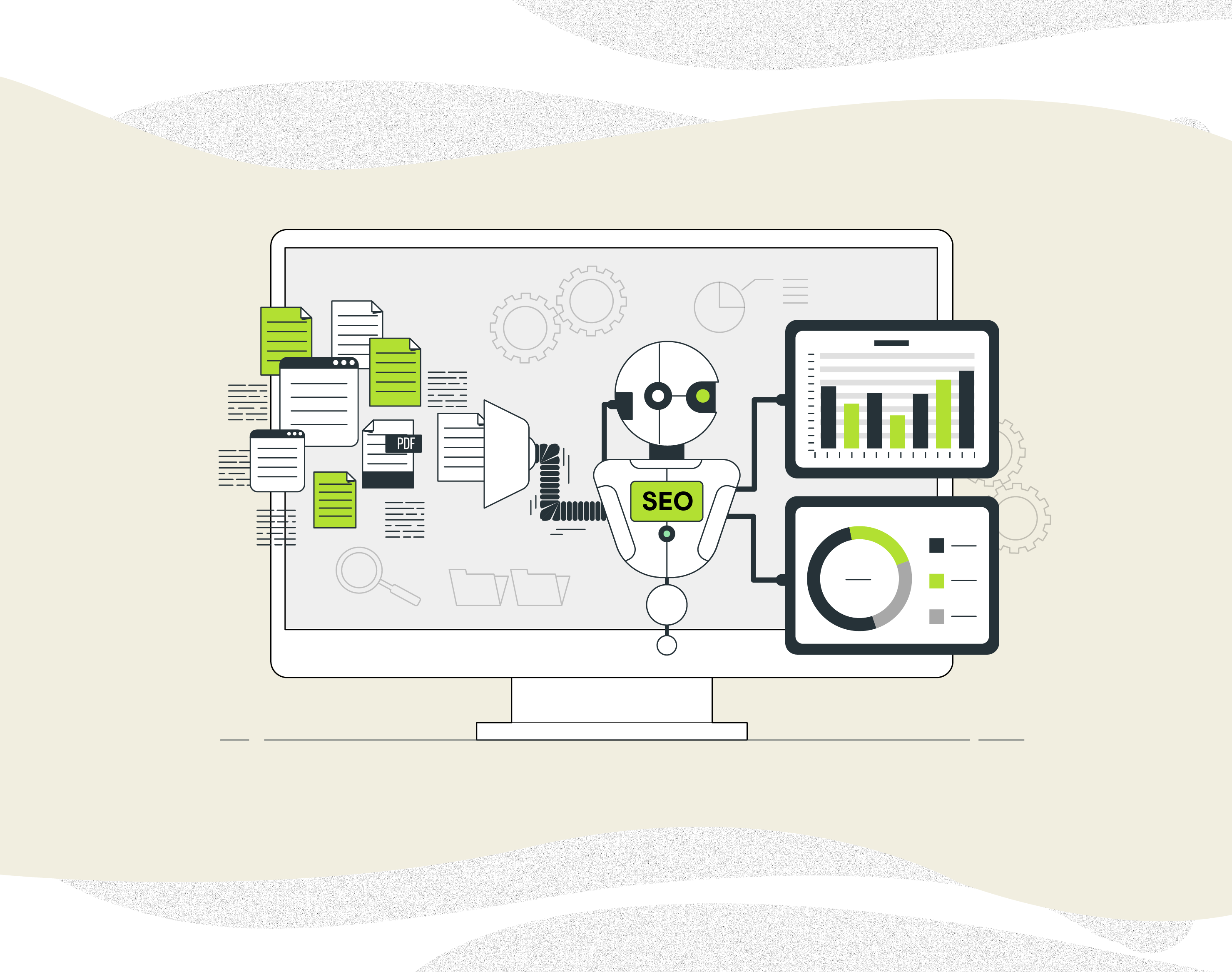
The best results often come from combining automation with human oversight. Organizations should identify processes where automation genuinely adds value instead of introducing technology merely because it is available.
The Growing Role of Edge Computing
Cloud computing is powerful, but not every digital task needs to send information to a distant data center. Edge computing processes certain information closer to where it is generated. This can be useful for applications that require rapid responses or operate with limited connectivity.
Connected vehicles, industrial sensors, smart cameras, and other devices can benefit from local processing. Instead of transferring every piece of data elsewhere, selected information can be analyzed near its source.
This development demonstrates how modern technology is becoming more distributed. Tech Hopes can include digital systems that combine cloud resources with local processing to improve responsiveness, efficiency, and reliability.
Digital Skills Are Becoming Essential
Technology changes quickly, but users do not necessarily need to become programmers or engineers to remain capable in a digital environment. Basic digital literacy is becoming increasingly valuable across education, employment, and personal activities.
Useful skills include understanding online privacy, evaluating information sources, using productivity software, managing digital files, recognizing scams, and learning how AI-based tools work. More advanced users may benefit from studying data analysis, automation, programming, cloud technologies, or cybersecurity.
Continuous learning is particularly important because technology platforms and workplace requirements evolve over time. Rather than mastering every new application, readers can focus on developing adaptable skills that transfer between different tools.
How Emerging Trends May Affect Different Areas
Technology trends rarely remain isolated. A development in one area can influence several others. AI can improve cloud software, connected devices can generate data for analytics, and cybersecurity can become more important as automation expands.
| Technology Trend | Practical Use | Key Consideration |
|---|---|---|
| Artificial Intelligence | Research, content, analysis, automation | Accuracy and responsible use |
| Cloud Computing | Storage, collaboration, online software | Privacy and access management |
| Internet of Things | Connected homes and businesses | Device security |
| Automation | Repetitive workflows and operations | Human oversight |
| Edge Computing | Fast local data processing | Infrastructure requirements |
| Cybersecurity | Protection of accounts and systems | Continuous awareness |
Understanding these connections helps readers evaluate technology more effectively. Instead of asking whether a particular trend is popular, it is more useful to ask whether it solves a real problem and provides sustainable value.
Responsible Innovation Matters
Technological progress creates opportunities, but it also introduces questions about privacy, accessibility, employment, digital inequality, and responsible data use. New systems should be designed with users and their needs in mind.
For example, an AI application may be powerful but difficult for inexperienced users to understand. A smart device may provide convenience but collect more information than expected. A highly automated workplace may improve efficiency while requiring employees to learn new skills.
Responsible innovation means considering these factors before adopting new solutions. Tech Hopes can be viewed as a broader expectation that technology should improve experiences without ignoring the social and practical consequences of digital transformation.
What Readers Should Watch Next
Several areas are worth following as technology continues to evolve. AI will likely remain central to software development and digital productivity. Connected devices will continue expanding across homes, transportation, healthcare, manufacturing, and commerce. Cybersecurity will become increasingly important as more services move online.
Other areas, including robotics, advanced computing, immersive digital experiences, renewable-energy technology, and intelligent infrastructure, may also influence future innovation. Readers do not need to adopt every new development immediately. Observing how technologies mature can help distinguish genuinely useful innovations from short-lived trends.
A practical approach is to evaluate new technology through three questions: Does it solve a meaningful problem? Is it reliable enough for the intended purpose? And does its benefit justify its cost, complexity, or privacy implications?
Conclusion
Technology trends are no longer limited to specialist industries. Artificial intelligence, cloud computing, automation, connected devices, cybersecurity, and edge computing are increasingly influencing ordinary digital experiences. Understanding these developments allows readers to make more informed choices and adapt confidently to changing environments. Tech Hopes reflects the idea that future technology should be practical, responsible, secure, and accessible. The most valuable innovations will not simply introduce new capabilities; they will help people accomplish meaningful tasks more efficiently while preserving trust and control.
For readers, staying informed does not mean following every technological announcement. It means understanding major developments, learning useful digital skills, protecting personal information, and evaluating new tools with a critical mindset. With that approach, emerging technology can become a practical resource for learning, productivity, creativity, and long-term digital growth.