Artificial Intelligence has become one of the most transformative technologies of the modern era. From automating repetitive tasks to enabling groundbreaking innovations across industries, AI continues to shape how people live and work. Businesses, governments, researchers, and consumers are embracing AI-powered solutions at an unprecedented pace. As new developments emerge almost daily, staying informed about the latest trends is essential.
This is where techhopes plays an important role. Through comprehensive coverage of AI advancements, emerging technologies, and industry updates, readers can gain valuable insights into the rapidly evolving world of artificial intelligence. AI is no longer limited to technology companies; it now influences healthcare, education, finance, transportation, entertainment, and countless other sectors.
In this article, we explore the latest AI developments, industry trends, benefits, challenges, and future opportunities. Whether you are a technology enthusiast, business owner, student, or professional, understanding AI’s growing impact is essential for navigating the digital future.
The Rapid Growth of Artificial Intelligence
Artificial Intelligence has experienced remarkable growth over the last decade. Advances in computing power, cloud technology, machine learning algorithms, and data availability have accelerated AI innovation. Organizations worldwide are investing billions of dollars into AI research and development.
The popularity of AI stems from its ability to analyze massive datasets, recognize patterns, and make intelligent decisions faster than humans. Companies use AI to improve customer service, automate workflows, optimize operations, and create personalized experiences. Governments are utilizing AI for smart city initiatives, public services, and infrastructure management.
According to industry experts, AI adoption rates continue to rise annually as businesses seek competitive advantages. The increasing accessibility of AI tools has also enabled startups and smaller organizations to participate in innovation. Through reports and updates from techhopes, readers can stay informed about these significant technological shifts and understand how AI is transforming global industries.
How AI Is Transforming Different Industries
Artificial Intelligence has become a powerful force across multiple sectors. Its applications continue expanding as technology becomes more sophisticated and accessible.
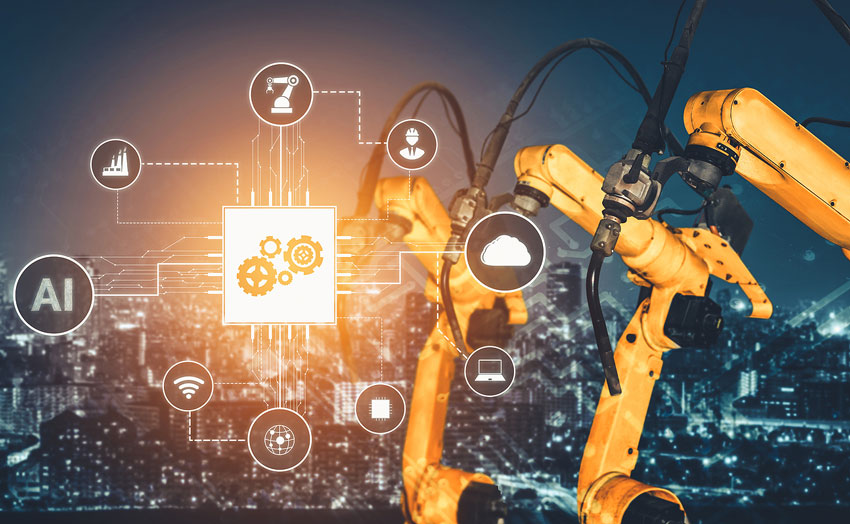
Healthcare
AI assists doctors in diagnosing diseases, analyzing medical images, and predicting patient outcomes. Machine learning models help identify health risks earlier, improving treatment effectiveness.
Finance
Banks and financial institutions use AI for fraud detection, risk assessment, customer support, and automated trading systems. These tools increase efficiency and security.
Education
AI-powered learning platforms personalize educational content based on student performance. Virtual tutors and intelligent assessment systems enhance learning experiences.
Transportation
Self-driving technologies, traffic management systems, and route optimization tools rely heavily on AI. These innovations improve safety and efficiency.
Retail
Retailers use AI for inventory management, demand forecasting, personalized recommendations, and customer engagement strategies.
The widespread adoption of AI demonstrates its versatility and value across industries.
Major AI Trends Shaping 2026
Several emerging trends are expected to define the future of AI in 2026 and beyond. These developments are regularly highlighted by techhopes as they gain momentum across global markets.
| AI Trend | Impact |
|---|---|
| Generative AI | Creates text, images, videos, and code |
| AI Automation | Streamlines business operations |
| Predictive Analytics | Improves forecasting accuracy |
| AI Cybersecurity | Detects and prevents threats |
| Edge AI | Enables faster local processing |
| AI Assistants | Enhances productivity and communication |
These trends demonstrate how AI is evolving beyond traditional applications and becoming integrated into everyday life.
The Rise of Generative AI
Generative AI has emerged as one of the most revolutionary developments in artificial intelligence. Unlike traditional AI systems that focus on analysis and prediction, generative AI creates entirely new content. It can generate articles, images, music, videos, software code, and even realistic simulations.
Businesses are leveraging generative AI to improve productivity and reduce costs. Marketing teams use it to create content, developers use it to generate code, and designers use it to produce visual concepts. The technology has also sparked innovation in entertainment, education, and customer engagement.
However, generative AI presents challenges related to misinformation, copyright concerns, and ethical usage. Organizations must implement responsible AI practices to maximize benefits while minimizing risks. Through ongoing coverage from techhopes, readers can track how generative AI continues reshaping industries worldwide and influencing future innovation strategies.
AI and Business Transformation
Artificial Intelligence is fundamentally changing how organizations operate. Companies increasingly rely on AI to automate tasks, enhance customer experiences, and improve decision-making processes.
Some key business benefits include:
- Increased operational efficiency
- Reduced manual workload
- Enhanced customer service
- Improved data analysis
- Better forecasting capabilities
- Higher productivity levels
- Competitive market advantages
Businesses adopting AI solutions often experience significant improvements in performance and profitability. AI-driven insights enable leaders to make informed decisions based on real-time data. As adoption grows, organizations that fail to embrace AI may struggle to remain competitive in evolving markets.
The Importance of Ethical AI Development
As AI becomes more powerful, ethical considerations become increasingly important. Responsible AI development ensures that technology benefits society while minimizing potential harm.
Key ethical concerns include:
- Data privacy protection
- Algorithmic bias
- Transparency in decision-making
- Accountability for AI actions
- Workforce displacement
- Security vulnerabilities
Organizations, policymakers, and researchers are working together to establish frameworks that promote ethical AI use. Transparency and fairness remain essential components of responsible innovation.
The discussions covered by techhopes often emphasize the importance of balancing technological progress with ethical responsibility. Building trust in AI systems will be critical for long-term adoption and success.
AI in Everyday Life
Smart Assistants
AI-powered assistants help users manage schedules, answer questions, and control smart devices.
Recommendation Systems
Streaming platforms and online stores use AI to recommend products, movies, and music based on user preferences.
Navigation Applications
Modern navigation systems analyze traffic patterns and suggest efficient routes in real time.
Smart Home Technology
AI enhances home automation by controlling lighting, security systems, appliances, and energy consumption.
These examples demonstrate how AI has become deeply integrated into daily routines. Many consumers interact with AI-powered systems multiple times each day without realizing it.
Future Opportunities in Artificial Intelligence
The future of AI presents enormous opportunities across industries and society. Researchers continue exploring advanced capabilities that could revolutionize numerous fields.
Potential future developments include:
- Advanced healthcare diagnostics
- Personalized medicine
- Intelligent robotics
- Autonomous transportation networks
- Climate change solutions
- Enhanced educational systems
- Smart manufacturing technologies
As innovation accelerates, AI will likely become even more capable and accessible. Companies investing in AI research today may become industry leaders tomorrow. Insights from techhopes help readers understand these emerging opportunities and prepare for future technological advancements.
Challenges Facing the AI Industry
Despite impressive progress, the AI industry faces several challenges that must be addressed.
Data Quality Issues
AI systems require large volumes of accurate data. Poor-quality data can produce unreliable results.
Regulatory Uncertainty
Governments worldwide continue developing regulations for AI deployment and governance.
Cybersecurity Risks
As AI systems become more widespread, they may become targets for cyberattacks.
Talent Shortages
Demand for AI professionals often exceeds available expertise, creating workforce challenges.
Addressing these obstacles will require collaboration among technology companies, academic institutions, policymakers, and industry leaders.
The Role of Innovation in AI Advancement
Research and Development
Continuous investment in AI research drives innovation and enables new applications.
Collaboration
Partnerships between organizations accelerate knowledge sharing and technological breakthroughs.
Infrastructure Growth
Cloud computing and advanced hardware support increasingly complex AI models.
Global Competition
Countries and companies worldwide compete to lead AI innovation, driving rapid technological progress.
Innovation remains the foundation of AI advancement. As research continues, new possibilities will emerge that further transform industries and societies.
Why Readers Follow TechHopes AI News
Many technology enthusiasts and professionals rely on techhopes for updates on emerging AI developments. The platform provides insights into innovations, trends, business applications, and future technologies shaping the digital landscape.
Reasons readers value AI coverage include:
- Access to current technology developments
- Industry trend analysis
- Insights into future innovations
- Understanding business impacts
- Learning about emerging tools
- Staying competitive in a technology-driven world
As AI continues evolving, reliable information sources become increasingly important for informed decision-making.
Conclusion
Artificial Intelligence is transforming the world at an extraordinary pace. From healthcare and finance to education and transportation, AI is creating new opportunities while reshaping traditional industries. Innovations such as generative AI, predictive analytics, automation, and intelligent assistants continue expanding the technology’s influence across society.
Read more: TechHopes: Exploring the Future of Technology and Innovation