Technology continues to reshape the way people live, work, communicate, and solve everyday challenges. As innovation accelerates across industries, many individuals and businesses are searching for reliable insights that help them understand emerging trends and opportunities. This growing interest has given rise to the concept of tech hopes, a term that reflects optimism about the future of technology and its ability to create positive change.
From artificial intelligence and cloud computing to smart devices and digital transformation, technological advancements are influencing every aspect of modern life. The idea behind techhopes is not simply about following trends; it is about understanding how innovation can improve efficiency, enhance productivity, and open new possibilities for growth.
This article explores the meaning of techhopes, the technologies driving future progress, their impact on businesses and individuals, and the opportunities that lie ahead in an increasingly connected world.
Understanding the Meaning of Techhopes
The term techhopes represents the expectations, aspirations, and opportunities associated with technological advancement. It reflects the belief that innovation can solve complex problems, improve living standards, and create better experiences for people worldwide.
In today’s digital era, technology is no longer limited to large corporations or research institutions. It has become accessible to students, entrepreneurs, professionals, and consumers. This accessibility fuels optimism because people can use technology to learn new skills, launch businesses, improve communication, and access information more efficiently than ever before.
The concept of tech hopes is particularly relevant as society faces challenges such as climate change, healthcare accessibility, cybersecurity threats, and economic uncertainty. Emerging technologies offer solutions that were unimaginable only a few decades ago. As a result, businesses and individuals continue investing in innovation with the expectation that future technologies will drive meaningful progress.
Understanding techhopes requires recognizing both the opportunities and responsibilities that come with technological growth. While innovation can create immense benefits, it also requires careful planning, ethical considerations, and sustainable implementation.
Why Technology Continues to Inspire Optimism
Technology has consistently demonstrated its ability to transform industries and improve lives. Throughout history, major technological breakthroughs have led to increased productivity, economic development, and improved quality of life.
Today, advancements occur at an unprecedented pace. Artificial intelligence automates repetitive tasks, cloud platforms improve collaboration, and data analytics enable better decision-making. These innovations create optimism because they help organizations operate more efficiently while allowing individuals to accomplish more in less time.
Several factors contribute to the growing enthusiasm surrounding technology:
- Increased access to digital tools
- Faster communication and connectivity
- Enhanced educational opportunities
- Improved healthcare technologies
- Smarter business operations
- Greater global collaboration
- Emerging career opportunities
The continued evolution of technology encourages people to imagine a future where challenges can be addressed more effectively through innovation. This positive outlook forms the foundation of the modern techhopes movement.
Key Technologies Driving the Future
Several technologies are playing a major role in shaping future innovation. Understanding these developments helps explain why discussions around techhopes continue to gain momentum.

Artificial Intelligence
Artificial intelligence has become one of the most influential technologies of the modern era. AI systems can analyze vast amounts of data, identify patterns, and automate complex processes. Businesses use AI for customer support, predictive analytics, marketing optimization, and operational efficiency.
As AI capabilities continue expanding, organizations expect significant improvements in productivity and decision-making. These expectations align closely with the broader vision of tech hopes, where technology serves as a catalyst for progress and innovation.
Cloud Computing
Cloud computing has transformed how businesses store data, deploy applications, and manage infrastructure. Instead of relying on expensive on-site systems, organizations can access scalable resources through cloud platforms.
Benefits of cloud computing include flexibility, cost savings, enhanced collaboration, and improved security. These advantages make cloud technology a critical component of modern digital transformation strategies.
Internet of Things (IoT)
The Internet of Things connects physical devices to the internet, allowing them to collect and exchange data. Smart homes, connected vehicles, industrial sensors, and wearable devices are all examples of IoT applications.
As IoT ecosystems expand, businesses gain valuable insights that improve efficiency, reduce costs, and enhance customer experiences.
Blockchain Technology
Blockchain provides secure and transparent methods for recording transactions. Although often associated with cryptocurrencies, blockchain applications extend to supply chain management, healthcare records, digital identity verification, and financial services.
Its decentralized structure increases trust and security, making it an important technology for future innovation.
Technology Trends and Their Impact
The impact of technological advancement can be observed across nearly every sector. Organizations that embrace innovation often achieve greater competitiveness and adaptability.
The following table highlights some major technology trends and their potential benefits:
| Technology Trend | Primary Application | Key Benefit |
|---|---|---|
| Artificial Intelligence | Automation and analytics | Increased efficiency |
| Cloud Computing | Data storage and collaboration | Scalability |
| Internet of Things | Connected devices | Real-time insights |
| Blockchain | Secure transactions | Enhanced trust |
| Cybersecurity Solutions | Data protection | Reduced risk |
| Virtual Reality | Training and entertainment | Immersive experiences |
| Robotics | Manufacturing and logistics | Improved productivity |
These trends illustrate how technology continues to create opportunities for growth and innovation. Businesses that understand and adopt relevant technologies are often better positioned for long-term success.
The Role of Techhopes in Business Growth
Businesses increasingly rely on technology to remain competitive in rapidly changing markets. Digital transformation initiatives allow organizations to improve efficiency, enhance customer experiences, and develop new revenue streams.
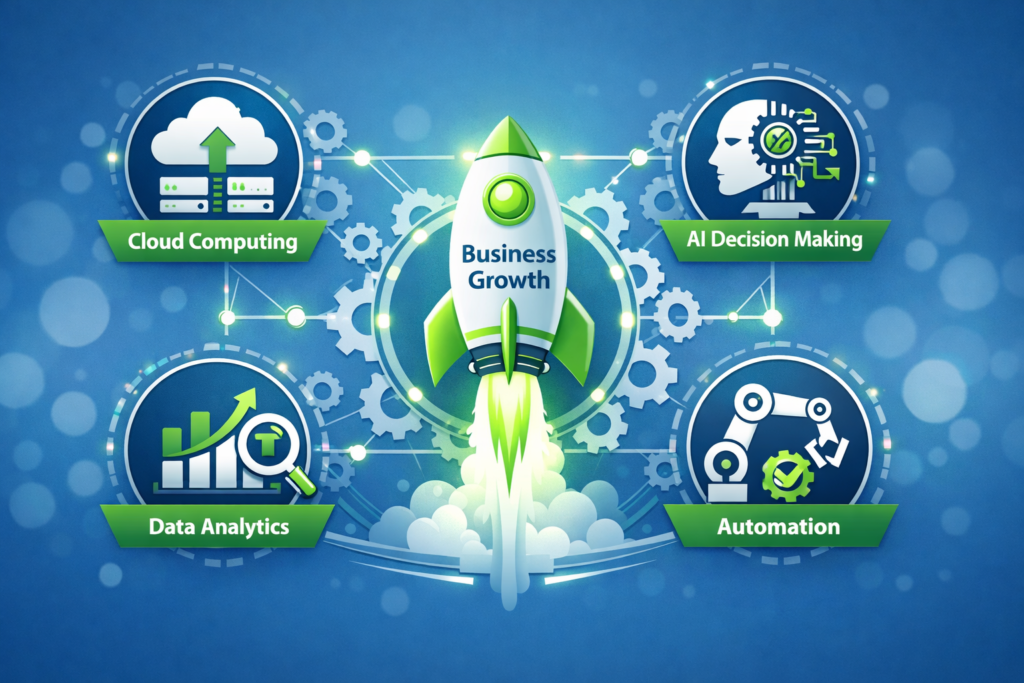
The concept of techhopes is particularly important for startups and entrepreneurs. Emerging technologies lower barriers to entry by providing affordable tools for communication, marketing, product development, and customer engagement.
For example, cloud-based platforms enable small businesses to access enterprise-level resources without significant upfront investment. Similarly, AI-powered tools help organizations automate tasks that previously required extensive human resources.
Business leaders who embrace tech hopes often focus on long-term innovation strategies rather than short-term gains. By investing in technology, they position their organizations to adapt to future market changes and customer expectations.
Furthermore, technology enables businesses to reach global audiences, expand operations, and create more personalized customer experiences. These capabilities contribute significantly to sustainable growth and competitiveness.
Education and Digital Learning Opportunities
Technology has revolutionized education by making learning more accessible and flexible. Online courses, virtual classrooms, educational apps, and interactive platforms allow students to learn from virtually anywhere.
Digital learning offers several advantages:
- Flexible study schedules
- Access to global educational resources
- Personalized learning experiences
- Interactive content and simulations
- Improved collaboration among students
The rise of educational technology reflects the broader optimism associated with techhopes. Many educators believe technology can help bridge learning gaps, improve educational outcomes, and provide opportunities for lifelong learning.
As educational platforms continue evolving, learners gain access to advanced tools that support skill development and career advancement.
The Importance of Cybersecurity in a Digital World
As technology becomes increasingly integrated into daily life, cybersecurity has emerged as a critical concern. Businesses and individuals rely on digital systems for communication, financial transactions, and data storage.

Cybersecurity technologies help protect sensitive information from unauthorized access, cyberattacks, and data breaches. Organizations invest heavily in security measures to maintain trust and ensure business continuity.
Strong cybersecurity practices include:
Data Protection
Protecting personal and organizational data is essential for maintaining privacy and compliance.
Threat Detection
Advanced security systems identify and respond to potential threats before significant damage occurs.
Employee Awareness
Training employees on cybersecurity best practices helps reduce risks associated with human error.
The future of technology depends not only on innovation but also on the ability to create secure and trustworthy digital environments.
Challenges Facing Emerging Technologies
Despite the excitement surrounding technological innovation, several challenges remain. Addressing these issues is essential for realizing the full potential of future advancements.
One challenge involves ethical considerations related to artificial intelligence and data privacy. Organizations must ensure that technology is developed and used responsibly.
Another challenge is the digital divide. While technology continues expanding globally, access remains uneven in some regions. Closing this gap requires investment in infrastructure, education, and affordable connectivity.
Additional challenges include:
- Rapid technological change
- Regulatory compliance
- Cybersecurity threats
- Workforce adaptation
- Environmental sustainability
Recognizing these challenges allows businesses, policymakers, and communities to develop solutions that support responsible innovation.
Future Opportunities and Innovation
The future of technology offers tremendous possibilities across multiple industries. Healthcare, education, finance, transportation, manufacturing, and entertainment are all expected to experience significant transformation.
Emerging innovations may include advanced AI assistants, autonomous transportation systems, personalized healthcare solutions, and smarter urban infrastructure. These developments could improve efficiency, reduce costs, and enhance quality of life.
The continued growth of tech hopes reflects confidence in humanity’s ability to use technology for positive change. As innovation progresses, new opportunities will emerge for entrepreneurs, researchers, educators, and businesses.
Organizations that prioritize innovation, adaptability, and continuous learning will be better prepared to thrive in future digital environments. Success will depend on balancing technological advancement with ethical responsibility and sustainability.
Building a Technology-Driven Future
Creating a successful technology-driven future requires collaboration among governments, businesses, educational institutions, and communities. Innovation flourishes when people have access to resources, knowledge, and opportunities.
Several strategies can support future technological growth:
- Encouraging digital literacy
- Investing in research and development
- Promoting ethical technology practices
- Expanding internet accessibility
- Supporting workforce reskilling initiatives
- Strengthening cybersecurity frameworks
By implementing these strategies, societies can maximize the benefits of technological advancement while minimizing potential risks.
The vision behind tech hopes extends beyond technological progress itself. It represents a commitment to using innovation responsibly to improve lives and create sustainable opportunities for future generations.
Conclusion
Techhopes represents a forward-looking perspective on the transformative power of technology. As innovations such as artificial intelligence, cloud computing, blockchain, and the Internet of Things continue evolving, they create new opportunities for businesses, educators, entrepreneurs, and consumers alike.