The digital world is producing data at a remarkable pace. Smartphones, connected vehicles, industrial machines, security cameras, wearable devices, smart appliances, and countless Internet of Things systems continuously generate information that needs to be interpreted. Traditionally, much of that information has been sent to centralized cloud servers for processing. While cloud computing remains essential for large-scale storage, model training, and complex analytics, the growing demand for immediate responses is changing how digital infrastructure is designed. This is where edge computing is becoming increasingly important. Instead of moving every piece of data to a distant data center, edge systems process information closer to the location where it is created.
For Tech Hopes, the rise of edge computing represents a broader shift toward faster and more responsive digital services. In 2026, the combination of artificial intelligence, specialized processors, 5G connectivity, IoT devices, and distributed computing is making local data processing more practical. Industry research increasingly highlights the movement of AI workloads toward the edge, particularly for applications that require low latency, privacy, reliability, or continuous operation. The result is an evolving computing environment in which cloud platforms and edge infrastructure work together rather than competing for the same role.
What Is Edge Computing and Why Does It Matter?
Edge computing is an approach that moves data processing closer to the devices, machines, sensors, or users generating the information. A conventional cloud architecture may send information from a connected device to a remote server, process it there, and then return an instruction or result. That process can work extremely well for many applications, but it introduces network delays and requires continuous data movement. Edge computing reduces this dependency by allowing local computers, gateways, routers, cameras, vehicles, industrial controllers, or embedded processors to analyze information closer to its source.
The significance of this model becomes clearer when real-time decisions are involved. Imagine an industrial machine detecting unusual vibration. If the sensor must transmit large amounts of information to a distant server before a decision is made, valuable time may be lost. With edge processing, the system can recognize an abnormal pattern locally and trigger an alert or automated response almost immediately. Similar principles apply to traffic management, robotics, healthcare monitoring, autonomous systems, retail analytics, and smart energy networks. Current industry analysis also points toward a hybrid model in which edge infrastructure handles immediate processing while cloud platforms continue to manage broader analytics, storage, and model development.
Why Real-Time Processing Is Becoming More Important
Modern digital services are no longer limited to displaying information after it has been processed. Increasingly, systems are expected to understand situations and respond immediately. A connected vehicle may need to interpret sensor information while moving. A factory robot may need to react to an unexpected object on a production line. A security camera may need to identify a potential incident without waiting for an entire video stream to travel to the cloud. These examples demonstrate why milliseconds can sometimes matter more than the amount of storage available.
The expansion of artificial intelligence is strengthening this requirement. AI inference refers to the process of using a trained model to generate predictions or decisions from new information. As AI becomes embedded in cameras, phones, vehicles, machines, and industrial equipment, processing those models locally can reduce communication delays and unnecessary data transfers. Recent market analysis indicates strong growth in AI inference, with edge inference particularly suited to applications requiring rapid responses near the source of data. Tech Hopes sees this development as part of a larger transformation in which computing is becoming distributed across devices, networks, local facilities, and cloud data centers.
Edge Computing and Artificial Intelligence
Artificial intelligence is arguably one of the strongest forces pushing computing toward the edge. Earlier AI systems often depended heavily on powerful centralized infrastructure because machine-learning models required substantial processing resources. Advances in specialized AI chips, neural processing units, model compression, and efficient software frameworks have changed that equation. Smaller and more optimized models can increasingly operate on devices that would previously have been considered too limited for sophisticated AI workloads.
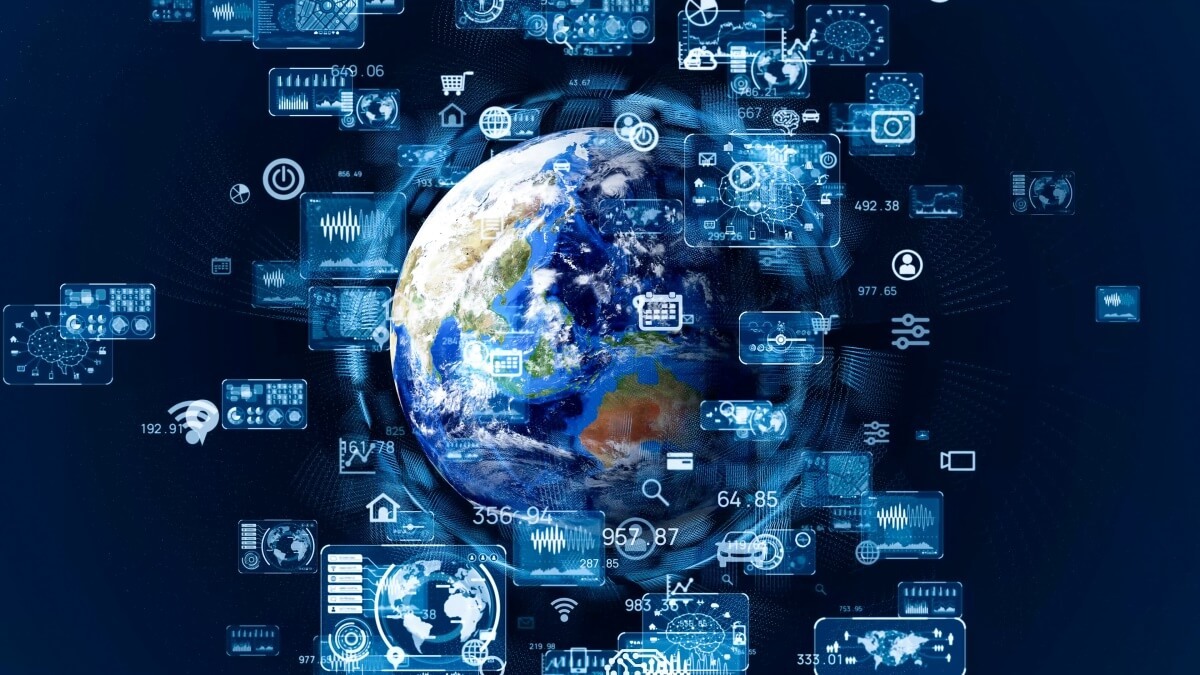
This does not mean cloud AI is disappearing. Instead, the relationship between cloud and edge is becoming more sophisticated. Cloud infrastructure remains valuable for training large models, analyzing enormous datasets, coordinating fleets of devices, and maintaining centralized systems. Edge infrastructure can then use optimized versions of those models to make local decisions. This creates a computing continuum in which data and intelligence can move between devices, local servers, regional infrastructure, and centralized cloud platforms depending on the requirements of the application. Gartner’s 2026 analysis similarly identifies AI as a major force accelerating edge computing while noting that the technology is still developing.
How Edge Computing Changes Digital Services
The practical benefits of edge computing extend beyond speed. By processing information locally, organizations can reduce the amount of raw data traveling across networks. This can lower bandwidth requirements, particularly in environments containing thousands of cameras, sensors, machines, or connected devices. Instead of continuously transmitting every data point, an edge system can identify important events and send only relevant information to centralized platforms.
Privacy is another important consideration. In applications involving sensitive video, health information, industrial processes, or customer behavior, keeping more data within a local environment can reduce unnecessary transmission. Edge systems can analyze information locally and forward selected insights instead of complete raw datasets. This approach does not automatically eliminate security or privacy risks, because edge devices themselves must be protected, but it can change how data is handled throughout the system.
| Factor | Edge Computing | Traditional Cloud Processing |
|---|---|---|
| Processing location | Near the data source | Remote data center |
| Response time | Very low for local decisions | Depends on network round trip |
| Bandwidth use | Can reduce data transmission | Often requires continuous transfer |
| Offline resilience | Can continue local operations | Usually depends more heavily on connectivity |
| Best suited for | Real-time control and local AI | Large-scale storage and complex analytics |
For Tech Hopes, the important development is not simply that edge computing is faster. Its broader value comes from combining speed, resilience, bandwidth efficiency, and localized intelligence into a single architecture.
Industrial Automation Moves Toward the Edge
Manufacturing is one of the clearest examples of why edge computing matters. Modern factories increasingly depend on machine vision, connected equipment, robotics, predictive maintenance, and automated quality inspection. These systems generate enormous quantities of information, much of which must be analyzed while production is taking place. Sending every camera frame and sensor reading to a remote cloud environment would create unnecessary network traffic and could introduce delays.
Edge computing allows factories to place processing capabilities close to production equipment. A machine-vision system, for example, can inspect products as they move along a production line and immediately identify defects. Predictive maintenance systems can analyze vibration, temperature, pressure, and sound to detect unusual behavior before equipment fails. Research into industrial AI in 2026 shows that organizations are increasingly deploying AI in live industrial environments, while network readiness, cybersecurity, and reliable connectivity remain major factors in scaling these systems.
The next stage could involve more autonomous industrial environments. Rather than simply notifying workers about a problem, edge-enabled AI systems could interpret several signals simultaneously, determine likely causes, recommend corrective action, and automatically adjust certain processes. This movement toward physical and agentic AI is one reason edge infrastructure is becoming increasingly significant.
Smart Cities and Connected Transportation
Cities are also generating enormous volumes of data through traffic cameras, public transport systems, environmental sensors, parking systems, road infrastructure, and connected vehicles. A centralized system can analyze this information, but sending every video frame and sensor reading to a distant data center can be inefficient. Edge computing provides another approach by allowing individual intersections, roadside systems, or local infrastructure to process information before forwarding selected results.
Consider an intelligent traffic intersection. Local cameras can estimate traffic density, recognize congestion patterns, and provide information to signal-control systems. Instead of waiting for a centralized server to analyze the entire video stream, local processing can support quicker adjustments. The same concept can be applied to public transportation, emergency response, parking management, and environmental monitoring.
Connected transportation presents an even stronger need for rapid processing. Vehicles increasingly rely on cameras, radar, lidar, navigation information, and other sensors. Decisions involving immediate surroundings cannot always depend on a distant server. Local computing therefore becomes an important part of the architecture, while cloud systems can still support mapping, fleet analysis, software updates, and long-term optimization.
Healthcare, Retail, and Consumer Applications
Healthcare is another area where edge processing can deliver meaningful advantages. Wearable devices and medical equipment can continuously monitor information such as movement, heart-related signals, temperature, or other physiological measurements. Processing selected information locally can enable faster alerts and reduce the need to continuously transmit raw data. In hospitals and clinics, local AI systems can also assist with imaging, monitoring, equipment management, and operational workflows.
Retail environments are undergoing a similar transformation. Smart cameras, inventory sensors, automated checkout systems, and intelligent shelves can generate substantial amounts of information. Edge processing allows stores to interpret selected events locally, helping improve inventory visibility and customer experiences while limiting unnecessary movement of raw video or sensor data. These use cases illustrate how Tech Hopes can be understood not merely as a technology trend but as an ongoing movement toward practical computing that happens closer to people and physical environments.
The Role of 5G and Future Networks
Edge computing becomes even more useful when combined with modern connectivity. 5G networks can provide high throughput, improved reliability, and lower latency, making it easier for distributed devices and local computing environments to communicate. The combination is particularly relevant for industrial automation, connected vehicles, remote monitoring, logistics, and smart infrastructure.
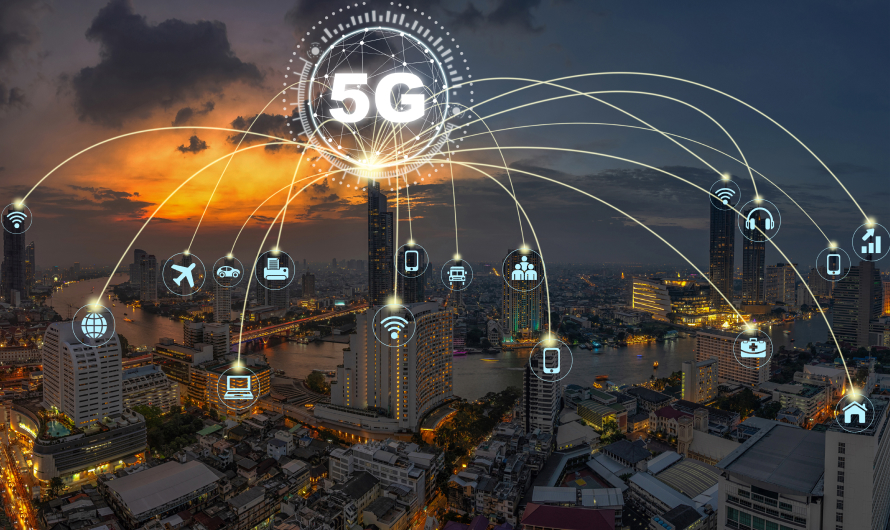
However, edge computing does not require perfect connectivity. One of its major advantages is the ability to continue certain operations locally when a network connection becomes unstable. This is especially valuable in remote industrial locations, transportation environments, and infrastructure where uninterrupted operation is important. In India, for example, growing IoT adoption and 5G development are creating opportunities for edge-based applications across manufacturing, healthcare, energy, and fleet management.
Looking further ahead, future network architectures are expected to bring computing, connectivity, and AI even closer together. This could eventually create intelligent networks capable of dynamically deciding where workloads should run based on latency, energy use, security, available processing power, and application requirements.
Challenges That Could Slow Edge Adoption
Despite its potential, edge computing is not a simple replacement for cloud infrastructure. Managing thousands or millions of distributed devices can be considerably more complicated than maintaining a centralized environment. Each device may require software updates, security controls, monitoring, hardware maintenance, and model management. Organizations also need to ensure that edge devices remain protected against physical tampering and cyberattacks.
Another challenge involves computing limitations. Edge devices typically have less processing power, memory, and energy capacity than large data centers. Developers therefore need to optimize applications and AI models carefully. Governance is becoming equally important. Recent industry research suggests that as edge AI moves from experimental projects toward production, orchestration, fleet management, and governance are becoming critical challenges rather than secondary concerns.
Key challenges include:
- Managing large fleets of distributed edge devices.
- Maintaining cybersecurity across physical and digital infrastructure.
- Optimizing AI models for limited computing and power resources.
- Coordinating data, software updates, and policies across locations.
- Balancing local processing with centralized cloud capabilities.