Reliable internet access has become an important part of modern life. Education, healthcare, banking, employment, communication, government services, and entertainment increasingly depend on digital connectivity. Yet millions of people still live in locations where traditional broadband infrastructure is difficult or expensive to deploy. Mountainous regions, islands, deserts, rural communities, and areas with limited terrestrial infrastructure can remain underserved even as cities receive increasingly advanced networks. Satellite connectivity is emerging as one way to address this gap by delivering internet services from space to locations that conventional networks may struggle to reach.
The development of modern low Earth orbit (LEO) satellite networks has changed expectations about satellite internet. Earlier satellite services were often associated with higher latency and limited capacity, but newer systems use large satellite constellations, advanced antennas, improved ground infrastructure, and sophisticated network management. These developments are helping satellite broadband become more practical for consumers, businesses, transportation operators, emergency responders, and public institutions. Tech Hopes reflects this broader technology shift by examining how space-based connectivity can contribute to a more connected digital environment.
Satellite connectivity does not mean that traditional fiber, cable, mobile, or fixed wireless networks are becoming unnecessary. Instead, satellite systems can complement those technologies by extending coverage where terrestrial deployment is challenging. The combination of different connectivity methods could become increasingly important as governments, telecommunications companies, and technology providers work to reduce the digital divide.
Understanding the New Generation of Satellite Internet
Satellite internet works by transmitting data between a user’s terminal, satellites orbiting Earth, and connected ground stations or network infrastructure. The architecture varies between providers and satellite orbits, but the basic objective remains the same: create a communication path between locations that may not have access to conventional broadband infrastructure. Modern satellite terminals can automatically communicate with satellites passing overhead, allowing users to receive broadband services without requiring a physical cable connection to a nearby telecommunications network.
One of the biggest changes has been the growing use of LEO satellites. Because these satellites operate much closer to Earth than traditional geostationary satellites, signals generally have a shorter distance to travel. This can reduce latency and make interactive activities such as video calls, cloud applications, online learning, and web browsing more practical. Large constellations can also provide broader and more continuous coverage, although actual performance depends on satellite capacity, network congestion, weather, terminal equipment, geographic conditions, and local infrastructure.
How Satellite Connectivity Can Reach Remote Communities
The strongest potential benefit of satellite connectivity is its geographic flexibility. Building fiber-optic infrastructure across sparsely populated areas can require extensive construction, road access, permits, power systems, maintenance, and significant investment. In some locations, geographical barriers make terrestrial deployment particularly complicated. A satellite network can bypass many of these physical obstacles by transmitting signals through the sky rather than requiring a continuous cable route between the user and the wider internet.
For remote schools, clinics, community centers, small businesses, and households, this can create new opportunities. A school that previously depended on limited connectivity could potentially access cloud-based educational resources and communicate with institutions elsewhere. A rural medical facility could use internet-connected systems to support remote consultations where appropriate infrastructure exists. Small enterprises could reach online customers, use digital payment systems, manage cloud applications, and communicate with suppliers. These examples demonstrate why Tech Hopes views satellite connectivity as more than a consumer broadband technology; it can also function as an infrastructure tool for economic and social participation.
Satellite Networks and the Digital Divide
The digital divide is not simply a question of whether someone has an internet connection. The quality, reliability, affordability, speed, and consistency of that connection also matter. A connection that is technically available but too expensive or unreliable for everyday use may not provide the same practical benefits as dependable broadband. Satellite services therefore need to be considered alongside factors such as equipment costs, subscription prices, electricity availability, digital literacy, and local technical support.
Satellite connectivity can help address geographic gaps, but it cannot independently solve every aspect of digital inequality. Communities still need suitable devices, affordable services, digital skills, and access to online resources. Governments and telecommunications organizations may also need policies that encourage infrastructure investment and competition. Tech Hopes highlights this distinction because expanding coverage is only one part of creating meaningful digital inclusion. The long-term objective is useful, sustainable access rather than simply placing a signal over an underserved region.
The Role of LEO Satellites in Faster Connections
LEO constellations are becoming an important part of the modern satellite connectivity landscape. Instead of relying on a small number of satellites positioned far above Earth, LEO systems can use numerous satellites operating at lower altitudes. Individual satellites move rapidly relative to the ground, so networks need sophisticated software and ground equipment to transfer connections between satellites as they travel across the sky.
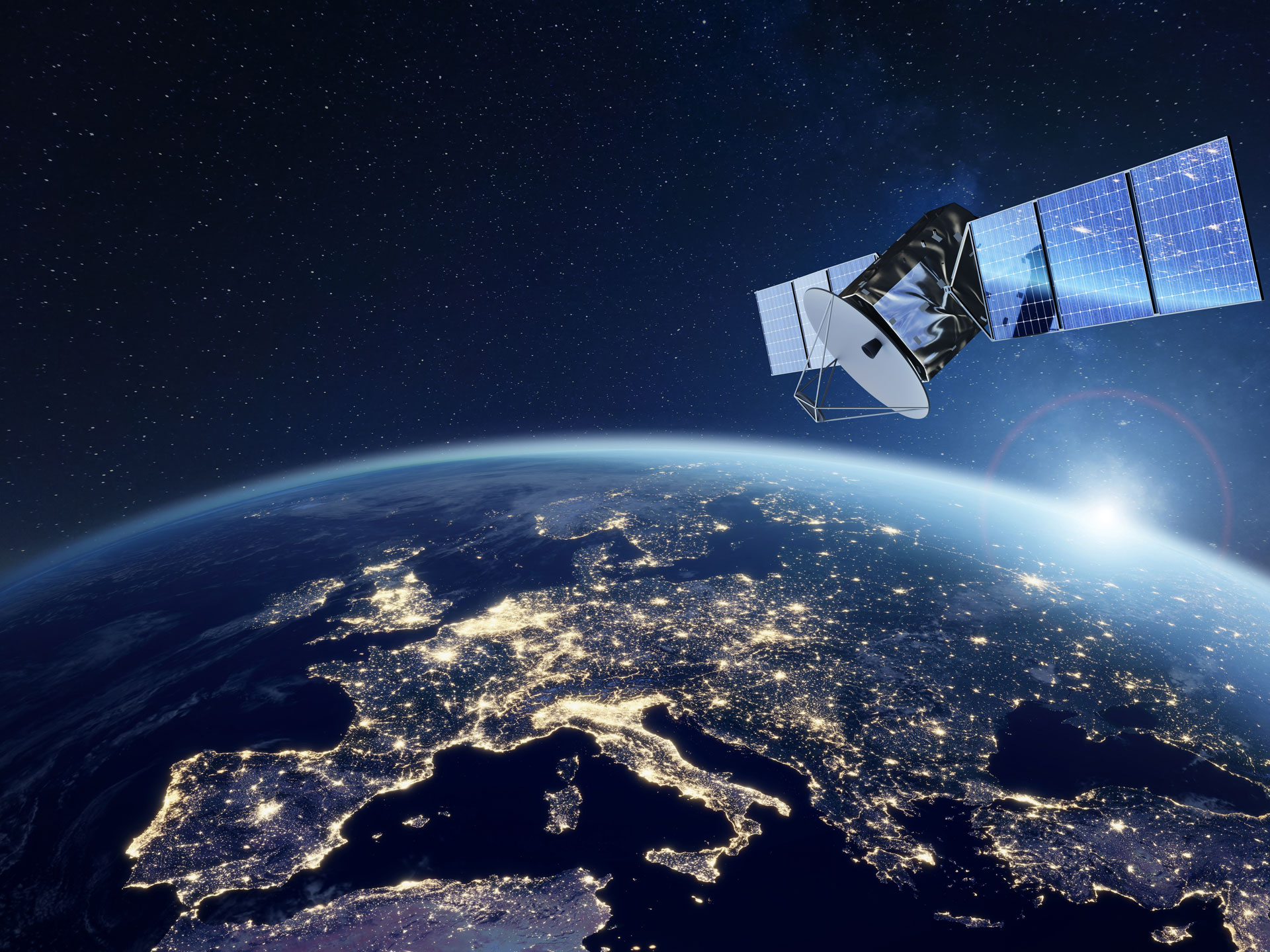
This approach can provide lower latency compared with many traditional satellite systems. Lower latency is particularly useful for applications that require frequent two-way communication. Cloud software, video conferencing, remote monitoring, online collaboration, and other interactive services can benefit from reduced communication delays. However, LEO networks also require extensive satellite deployment, ground infrastructure, spectrum coordination, network management, and ongoing maintenance. Their performance should therefore be understood as part of a complex communications ecosystem rather than as a simple replacement for terrestrial broadband.
Key Areas Where Satellite Internet Can Make a Difference
Satellite connectivity has applications across several sectors. Its value is especially visible where mobility, remoteness, or disaster resilience is important.
- Rural connectivity: Helps extend broadband access to locations where terrestrial infrastructure is limited.
- Emergency communications: Can provide alternative communication paths when storms, earthquakes, fires, or other events disrupt local networks.
- Transportation: Supports connectivity for aircraft, ships, remote vehicles, and other mobile platforms.
- Business operations: Allows organizations in isolated locations to access cloud services and communicate with customers or headquarters.
These applications demonstrate how satellite networks can operate alongside conventional telecommunications. Rather than viewing connectivity as one technology serving every situation, modern networks can combine fiber, cellular, Wi-Fi, fixed wireless, and satellite links according to geographic and operational requirements.
Comparing Major Connectivity Approaches
Different broadband technologies have different strengths. Fiber generally provides extremely high capacity and reliable performance where infrastructure is available, while cellular networks are particularly effective for mobile users and densely populated areas. Fixed wireless can offer another practical option where installing physical cables is difficult but suitable radio infrastructure is available. Satellite broadband adds another layer by providing connectivity over wide geographic areas without requiring a terrestrial access network at every location.
| Connectivity Type | Main Strength | Common Challenge | Suitable Environment |
|---|---|---|---|
| Fiber broadband | High capacity and low latency | Expensive physical deployment | Cities, towns, business areas |
| Mobile networks | Mobility and broad consumer access | Coverage and capacity limitations | Urban and rural populated areas |
| Fixed wireless | Faster deployment than wired networks | Distance and terrain can affect service | Suburban and rural areas |
| Satellite broadband | Wide geographic reach | Equipment, capacity, and weather considerations | Remote and hard-to-reach locations |
The future of internet infrastructure is therefore likely to involve multiple technologies rather than a single universal solution. Tech Hopes can be understood within this broader movement toward flexible networks capable of selecting different connectivity methods according to location, application, and demand.
Satellite Connectivity for Businesses
Businesses operating outside major urban centers can face connectivity limitations that directly affect productivity. A farm using connected sensors, a mining operation located far from cities, or a remote tourism facility may require dependable internet even when traditional broadband options are unavailable. Satellite connectivity can provide an alternative route to online services, helping organizations communicate, process information, monitor equipment, and interact with customers.
The business value can extend beyond basic browsing. Cloud-based accounting, cybersecurity tools, video meetings, inventory systems, customer relationship platforms, and remote management increasingly depend on stable internet connections. For organizations in isolated areas, an available satellite link may support operations that would otherwise require expensive private telecommunications infrastructure. At the same time, businesses must consider service costs, data requirements, equipment installation, backup connectivity, and the importance of maintaining service during adverse conditions.
Supporting Disaster Response and Resilient Communications
Natural disasters can damage power systems, cellular towers, fiber routes, and other communications infrastructure. When terrestrial networks become unavailable, alternative communication systems can be critical for coordinating emergency operations and sharing information. Satellite technology can provide communications links that are physically separated from damaged local infrastructure, provided that terminals have power and a suitable view of the sky.
This makes satellite connectivity relevant to disaster preparedness as well as everyday internet access. Emergency agencies, humanitarian organizations, remote communities, and infrastructure operators can use satellite systems as part of broader continuity plans. Tech Hopes recognizes that resilience is becoming an increasingly important consideration as communities and businesses seek communication systems that can continue operating when conventional infrastructure is disrupted.
Challenges That Could Shape Satellite Internet Growth
Despite its potential, satellite broadband faces several challenges. Service affordability remains important because users may need specialized terminals in addition to recurring subscriptions. Network capacity can also vary according to geographic demand. As more people use satellite services, providers must continue expanding capacity and improving network efficiency to maintain performance.

Space-related considerations are another part of the discussion. Large satellite constellations require responsible orbital management, coordination, and efforts to reduce risks associated with debris and satellite collisions. Ground infrastructure also matters because satellites ultimately connect users to wider internet networks through terrestrial facilities. Tech Hopes therefore considers satellite connectivity a major technological development, but one whose long-term success depends on responsible engineering, investment, regulation, and infrastructure planning.
The Future of Hybrid Global Connectivity
The next stage of internet development may involve increasingly integrated networks. A user could move between fiber, cellular, Wi-Fi, and satellite connections without needing to understand which infrastructure is carrying the data. Advances in network automation, cloud computing, edge computing, artificial intelligence, and satellite communications could make these transitions more seamless.
Direct-to-device satellite services are another developing area. Instead of requiring a conventional dedicated broadband terminal, some satellite systems are being designed to communicate more directly with compatible mobile devices. This could eventually expand connectivity for messaging and other services in areas where terrestrial coverage is unavailable, although capabilities, device compatibility, spectrum arrangements, and service availability vary. Tech Hopes reflects the significance of these developments because connectivity is increasingly becoming an integrated global infrastructure rather than a collection of isolated networks.
What Global Expansion Could Mean for Internet Users
For consumers, the most visible change could be greater choice. People living in remote locations may have another option when fiber or cellular broadband is unavailable. Travelers, field workers, researchers, transportation operators, and emergency personnel could also benefit from communications systems designed for mobility or difficult environments.
For governments and communities, the larger opportunity involves connecting institutions and economic activity. Schools can participate more easily in digital education, businesses can reach online markets, and public services can use internet-based systems across wider geographic areas. However, successful expansion will depend on affordability and practical accessibility as much as technical coverage. Simply increasing the number of connected locations does not guarantee that residents will have the resources or skills required to benefit from the internet.
Conclusion
Satellite connectivity is becoming an increasingly important component of the global internet ecosystem. Improvements in LEO satellite networks, user terminals, network software, and communications infrastructure are making space-based broadband more capable of serving remote and mobile environments. Its ability to bypass many terrestrial geographic barriers gives it a distinct role in expanding connectivity where conventional infrastructure can be difficult to build.